
Sustainability
Here in Ballyboughal, our village proudly aligns its community planning and activities with the UN Sustainable Development Goals (SDGs). We’re committed to creating more accessible public spaces, enhancing green amenities, and ensuring our events are welcoming to all.
Our Goals
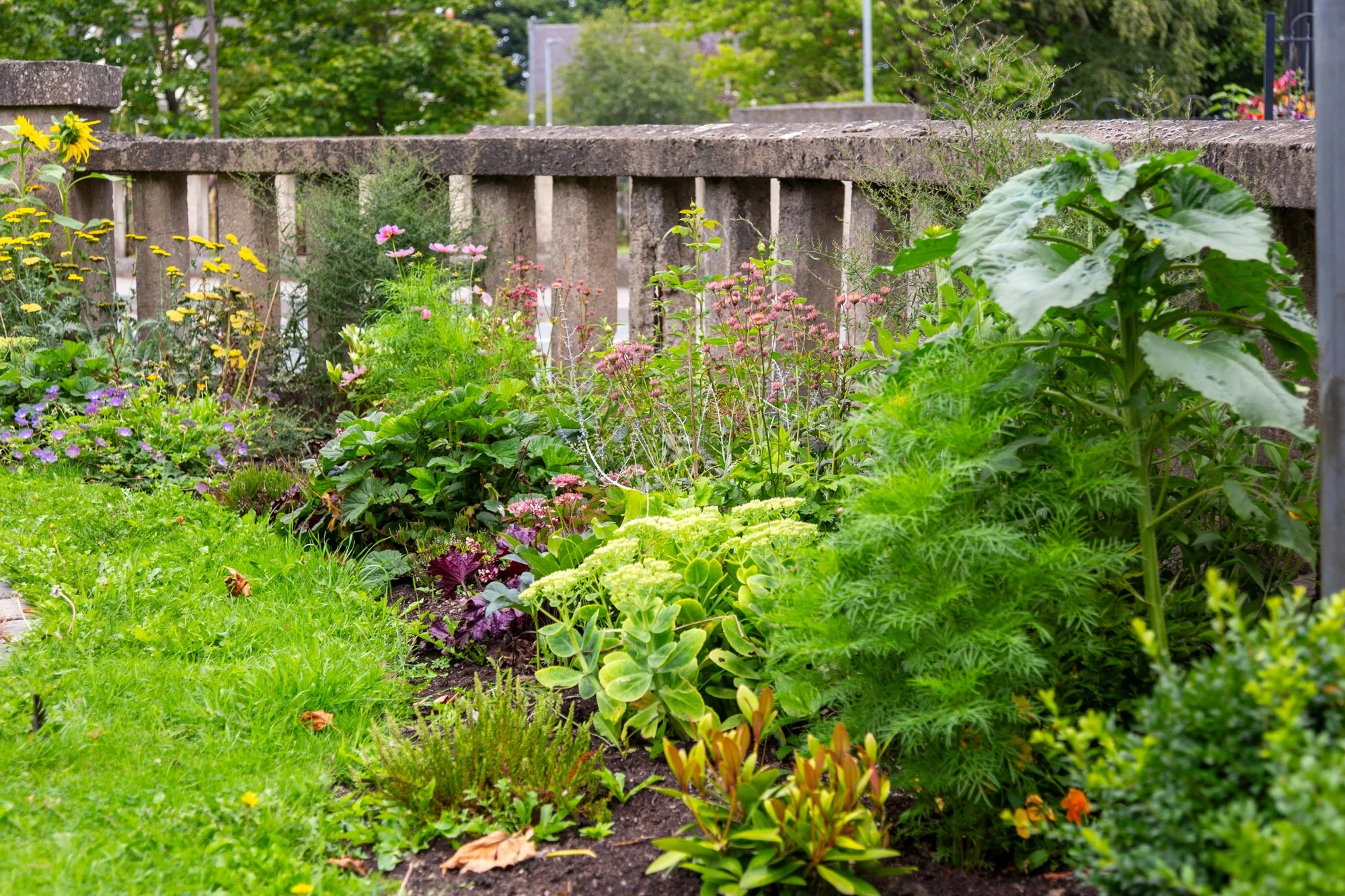
By blending heritage preservation with green spaces, community-led education, and local climate action, we’re helping transform our village into a sustainable, inclusive community—acting locally while advancing Ireland’s national SDG commitments
Intiatives
-
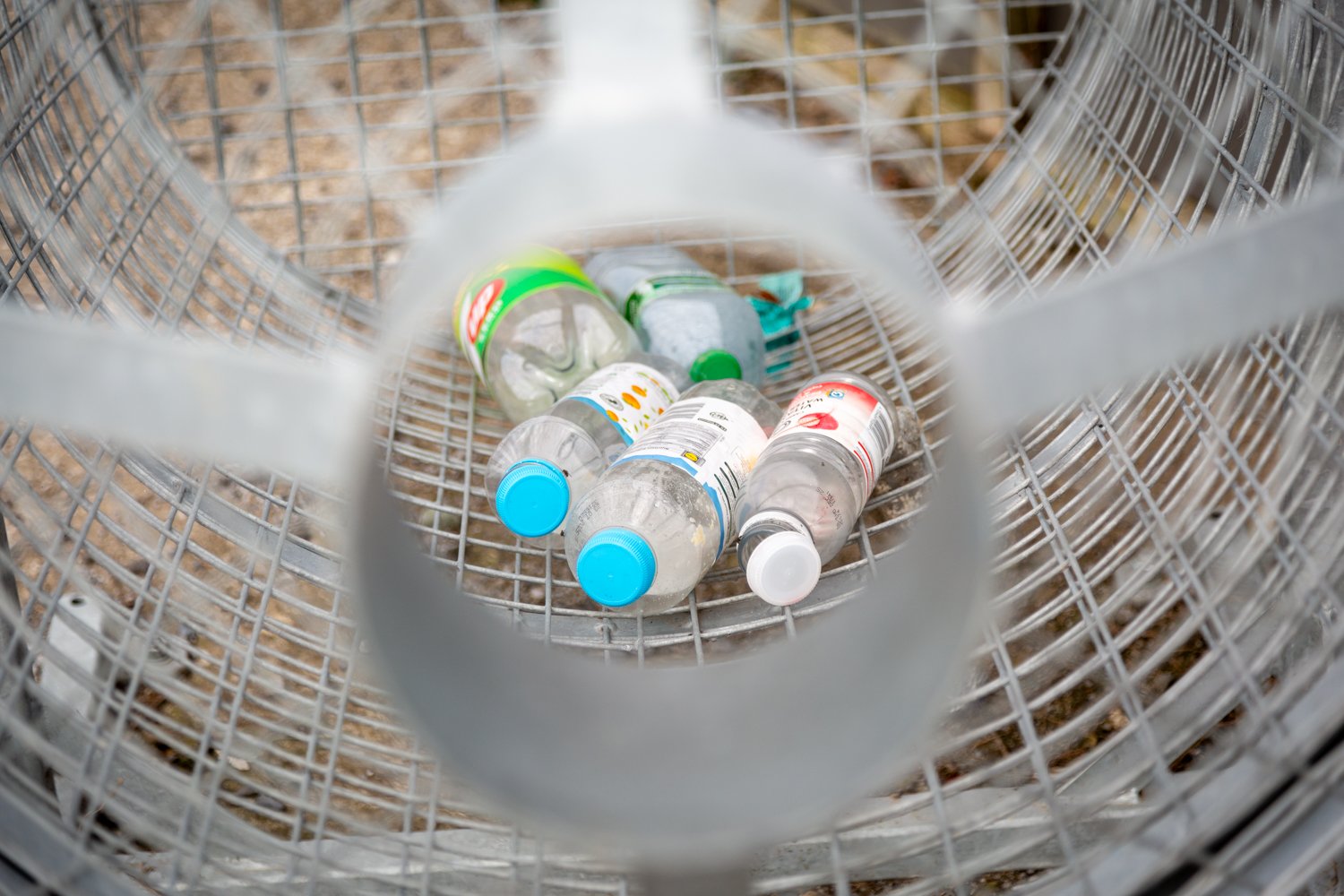
Bottle Cage Recycling Initiative
Bottle Cage Recycling Initiative: A custom-designed cage installed at Ballyboughal GAA grounds collects plastic bottles and cans for the national Deposit Return Scheme (DRS). Proceeds fund further sustainable projects.
Composting & Mulching: Organic waste is composted on-site or off-site, shredded, and reused as mulch in planting beds across the village.
Leaf Mould Cages: Twelve cages were installed for producing leaf mulch, reducing green waste and improving soil quality.
-
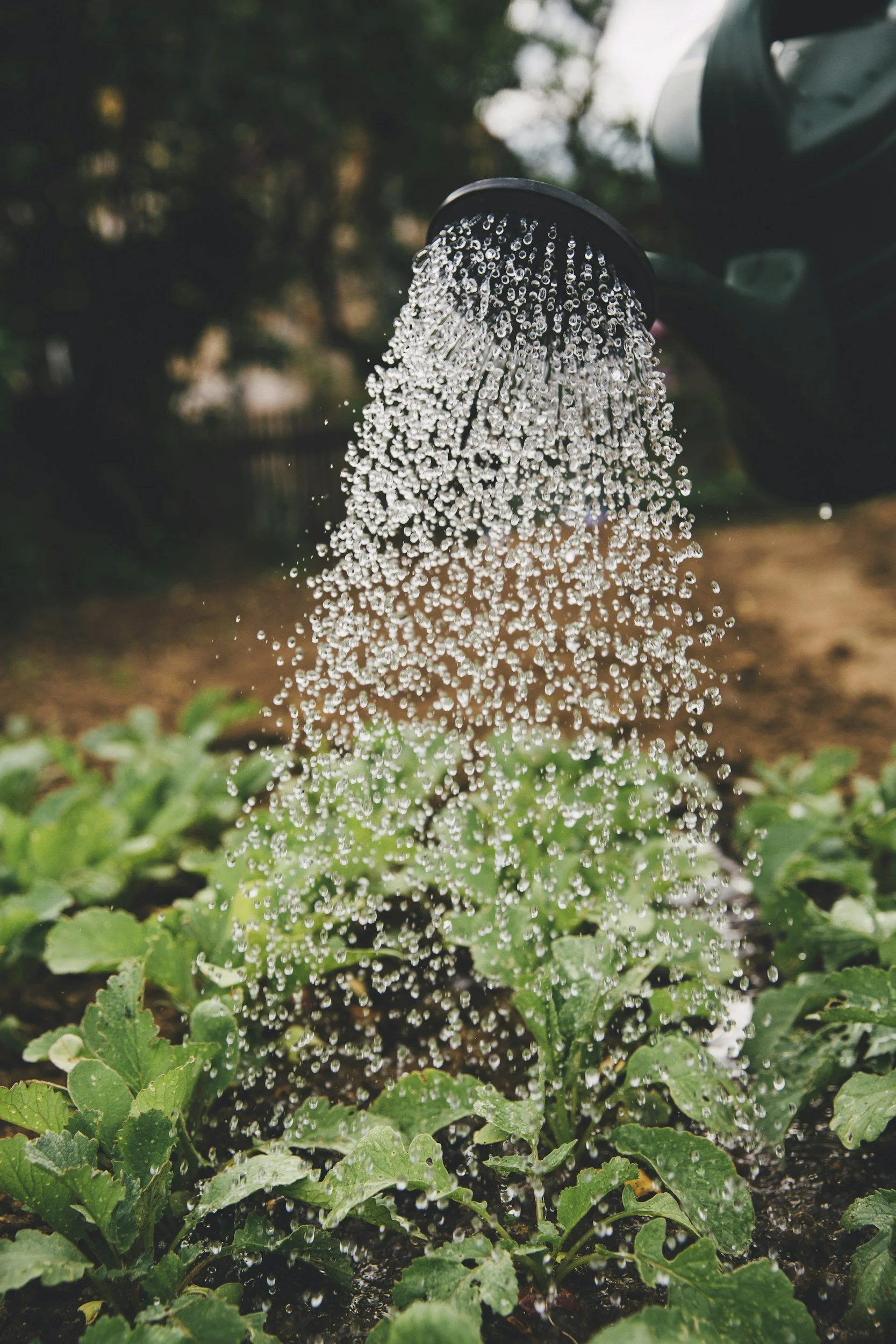
Water Conservation
Rainwater Harvesting: Water butts are in use at several locations — the school, Pitch & Putt club, Herb Garden, The Square, and the Church — to reduce reliance on mains water.
Timed River Watering System: A system using river water on a timer waters beds at Monument Park and bridge planters.
-
Reuse & Upcycling
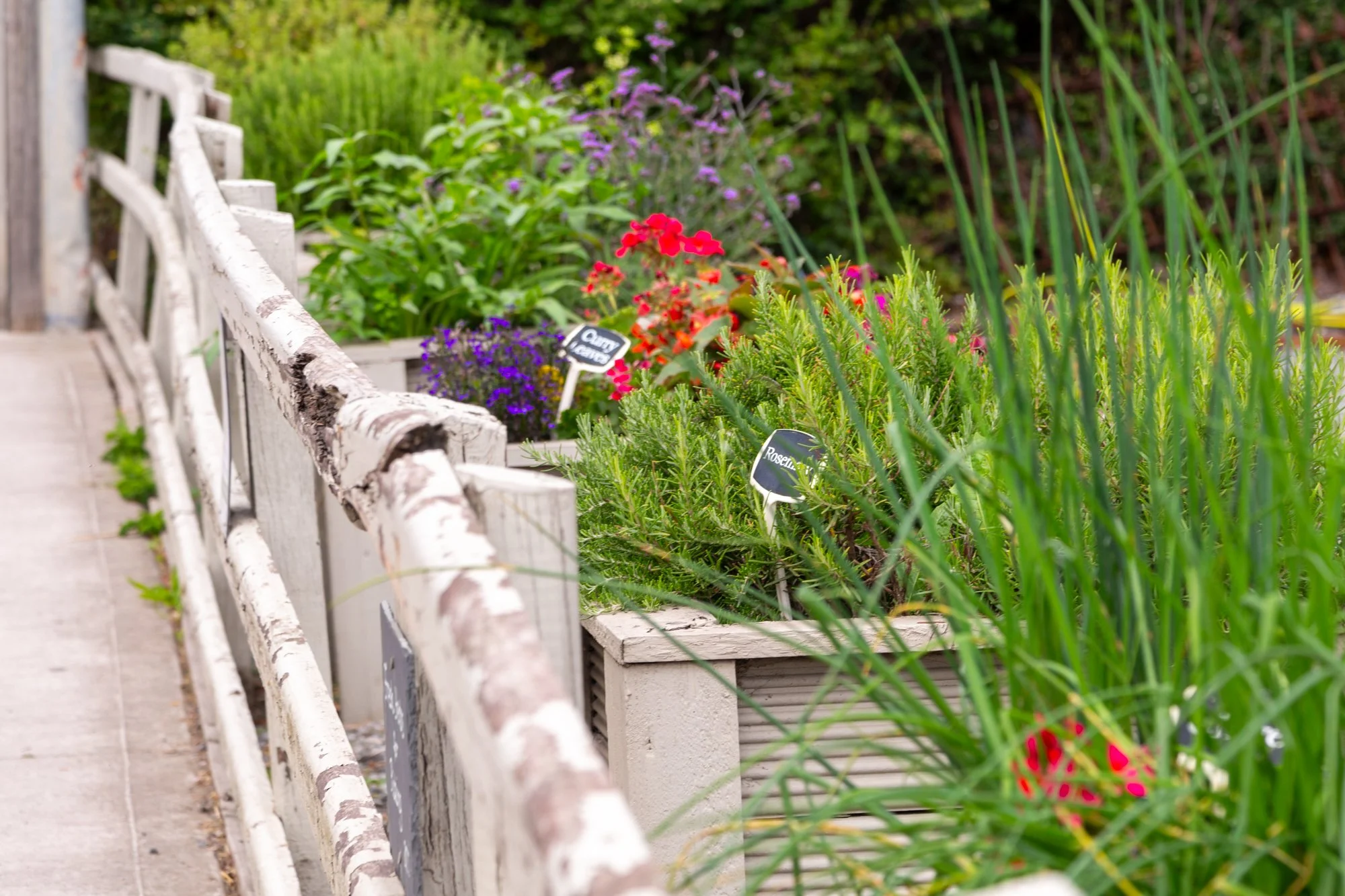
Upcycled Planters & Materials: Old wooden planters are repaired and replanted. Decayed tree stumps are ground and reused as mulch.
Reused Paint: Sourced from Ballymun Discovery Centre to reduce waste.
Recycled Mypex: Reused as mulch by the Hedgerow Society after clearing beds.
-
Education & Awareness
Mini Library: Hosts free book swaps and distributes seed packets to encourage reading and sustainable gardening.
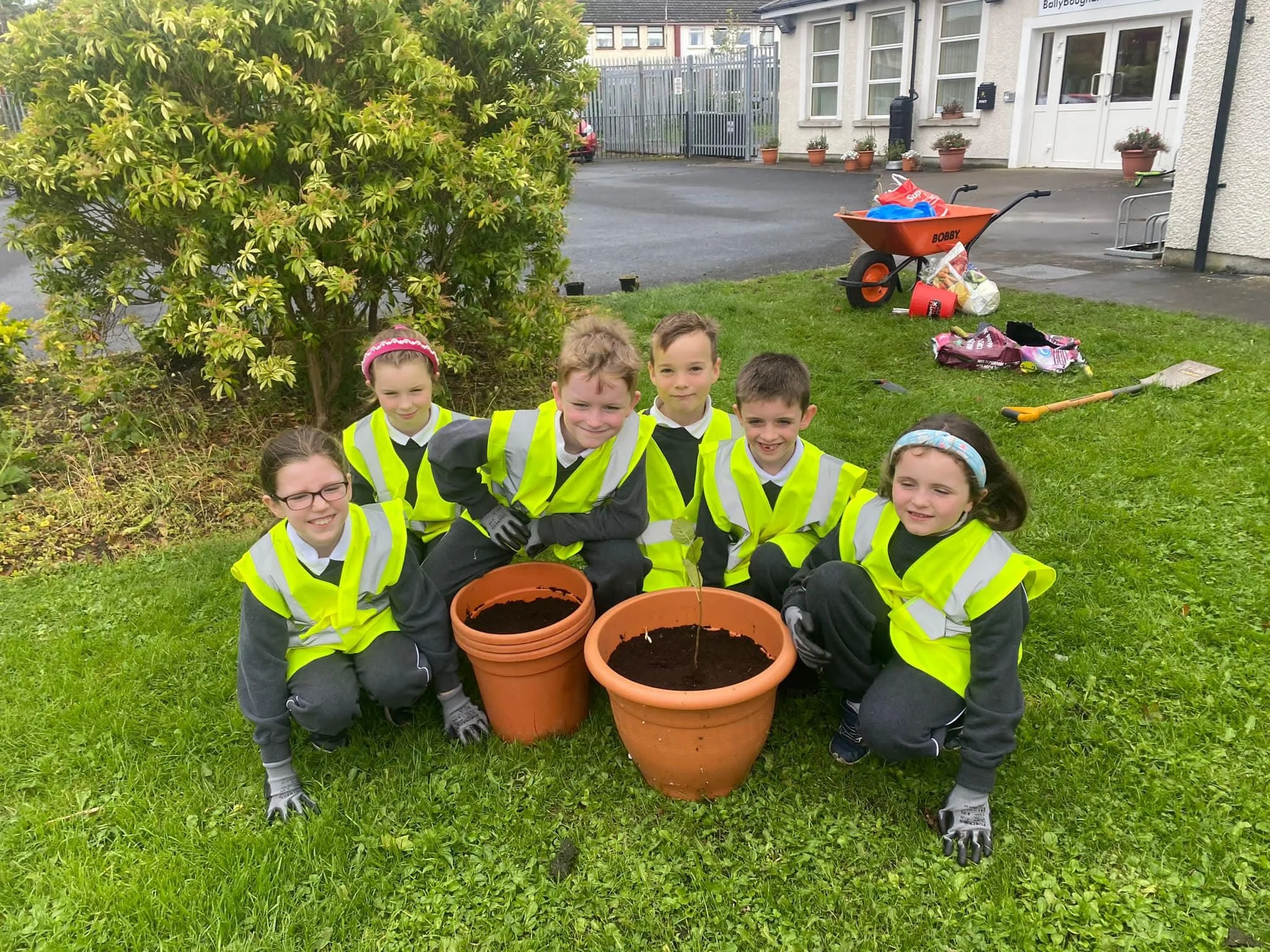
School Engagement: Projects include Picker Pals, seed sowing, window boxes, upcycling competitions, and the Green Schools Programme.
-
Pollinator & Biodiversity Support
Pollinator Beds: Created throughout the village to attract bees and support biodiversity.
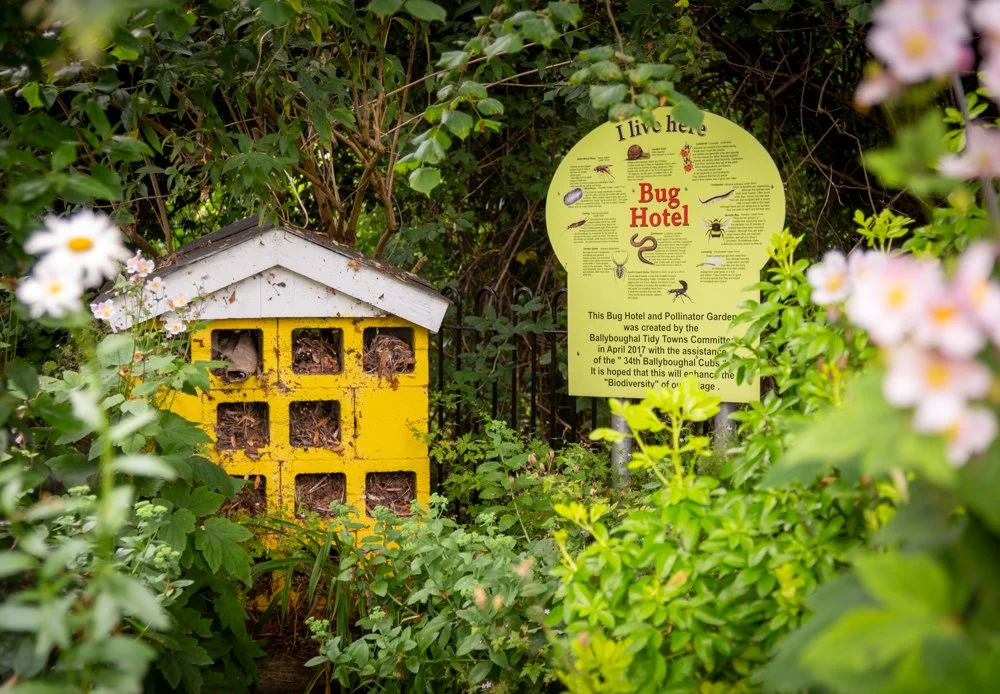
Monument Park Conservation Zone: Dedicated area for native honey bees, plus sustainable features like bug hotels and pollinator-friendly planting.
-
Circular Gardening & Plant Sharing
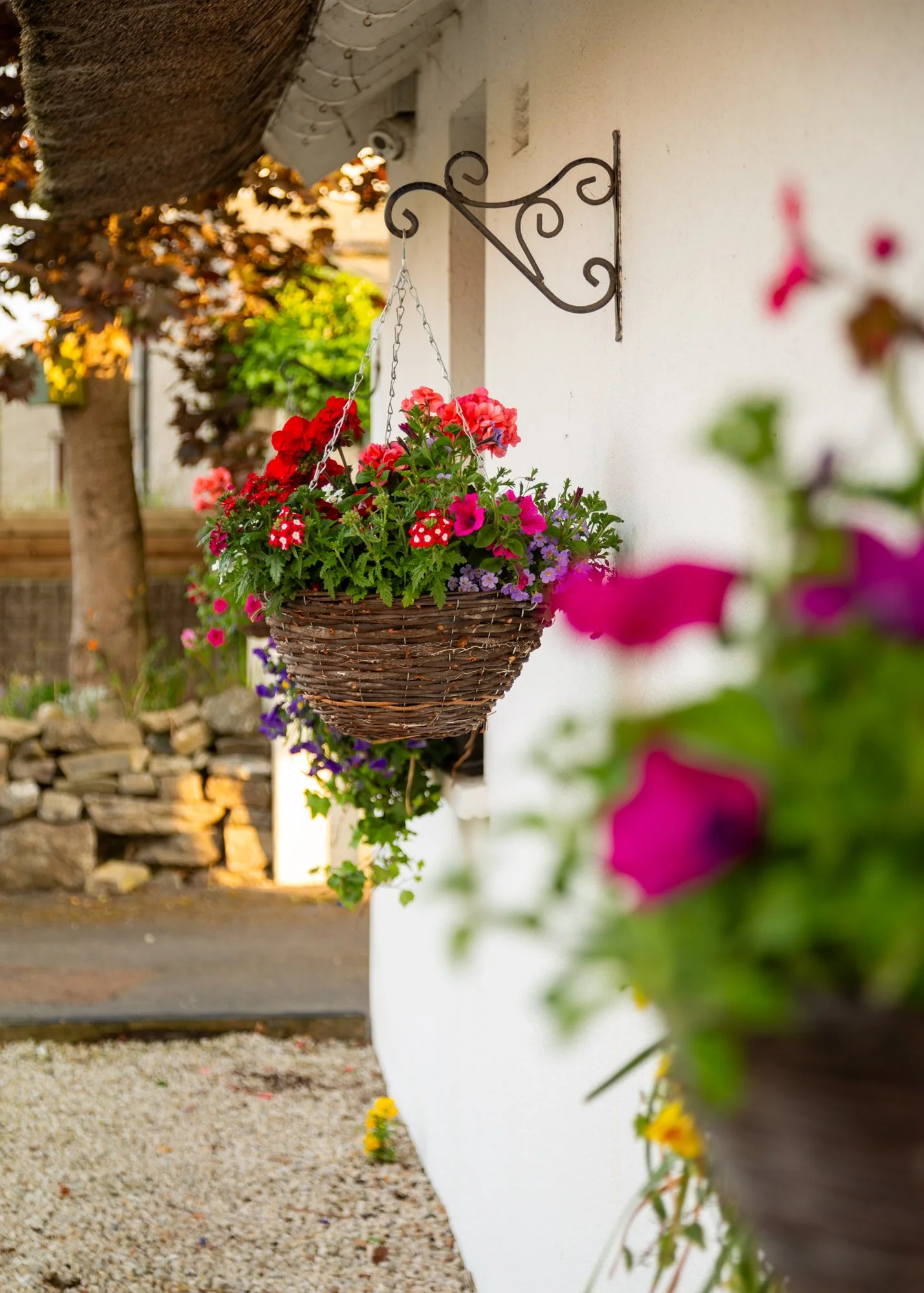
Plant Swap Events: Hosts a spring plant exchange to promote sustainable gardening practices and community sharing.
Seedlings & Propagation: Volunteers grow seedlings in personal greenhouses. Plans are underway for a dedicated polytunnel and greenhouse at the new community hub.
Community Donations: Residents contribute excess plants, seeds, and shrubs from their own gardens.
-
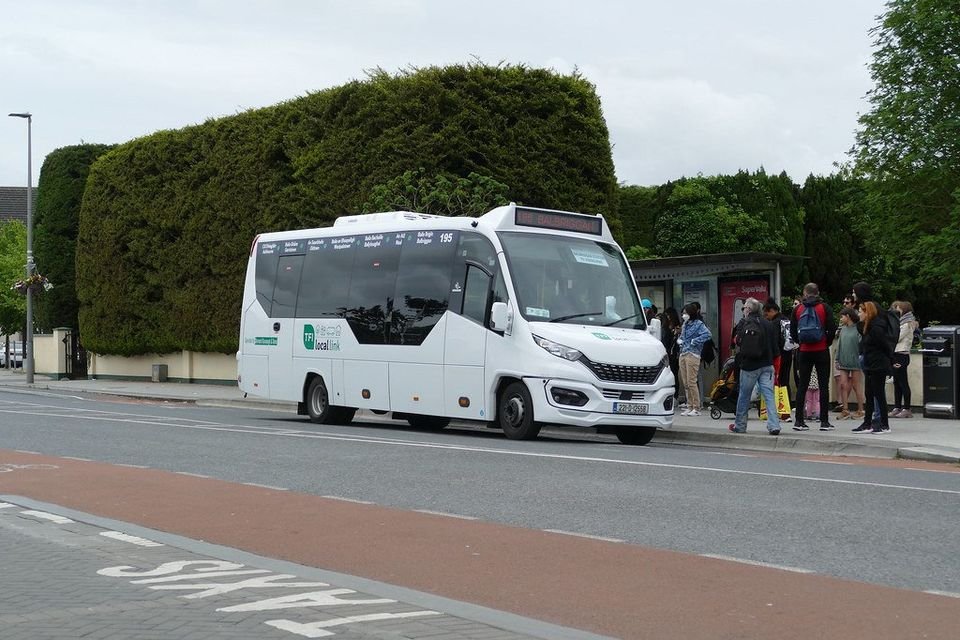
Sustainable Transport & Active Travel
Rural Bus Service Advocacy: Ongoing collaboration with Transport for Ireland and Active Travel to improve rural bus links, install permanent bus stops, and add secure bike lockers.
Trial of Walking Bus: Though not sustainable long-term, it highlights efforts to reduce car dependency for school children.