
Our Village
About
Welcome to Ballyboughal – a village rich in history, heritage, and heart.
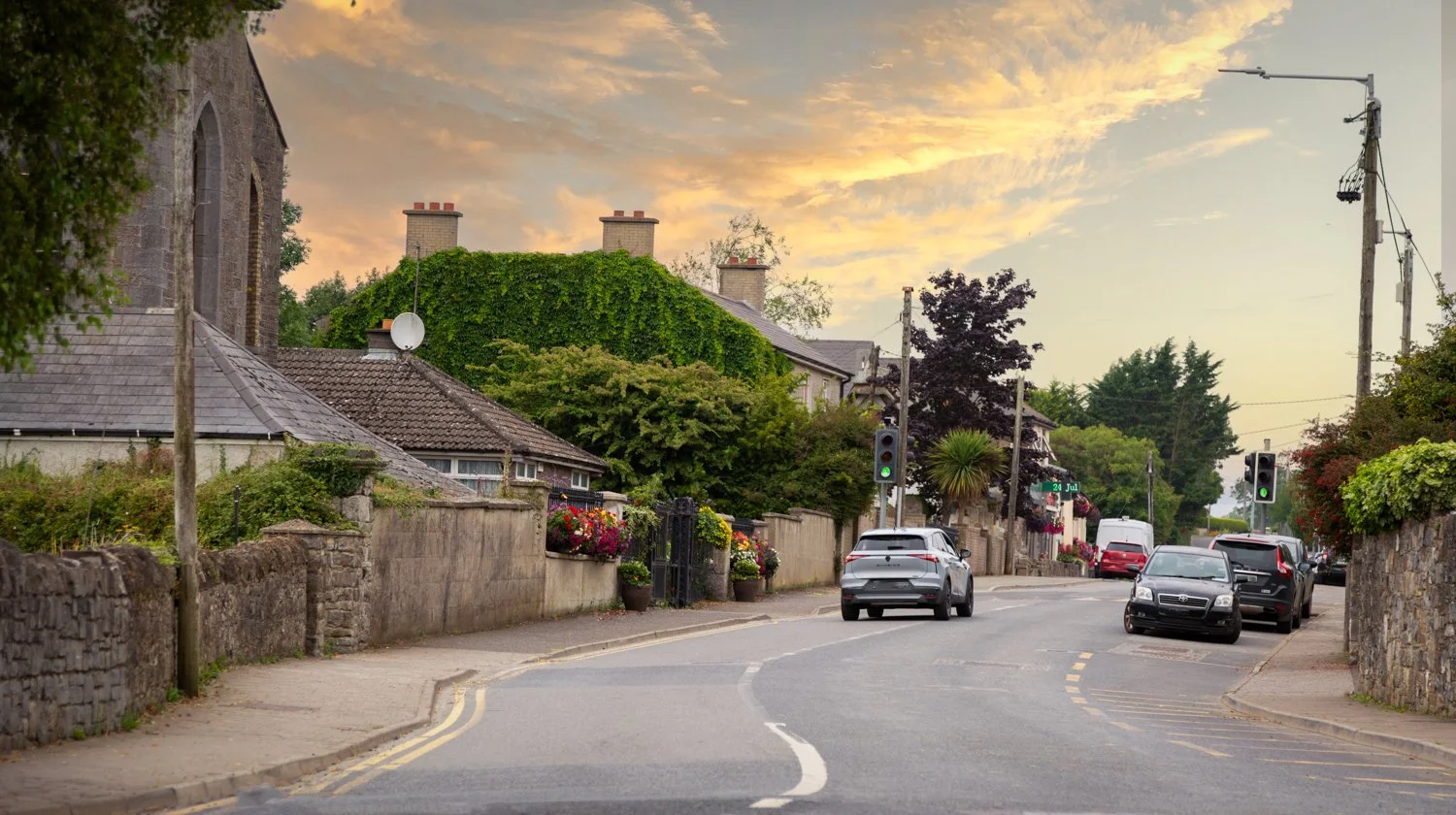
Origins
Nestled in the rural landscape of Fingal, Ballyboughal—Baile Bachaille in Irish—translates to “Town of the Staff,” a name rooted in legend. The village takes its name from the sacred staff of St. Patrick, once preserved in the local church during medieval times.
Our origins lie in ecclesiastical lands that once belonged to St. Mary’s Abbey in Dublin, with our settlement growing around these historic roots. The population of Ballyboughal, as recorded in the 2022 Irish Census, is 855 residents
Click below to find out more about Ballyboughal’s places of interest and download the heritage guide to discover more about a village steeped in history.
Places of Interest
-
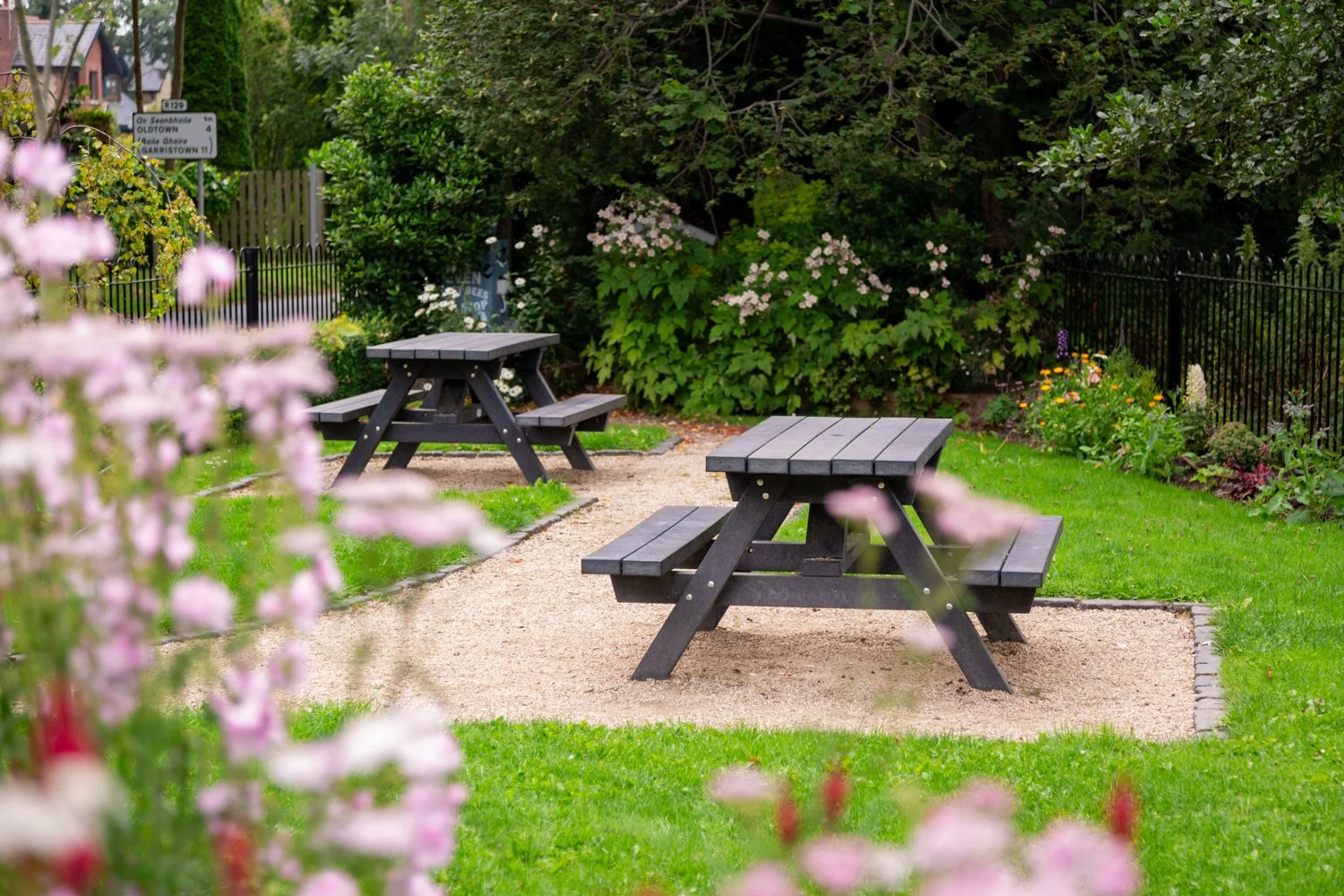
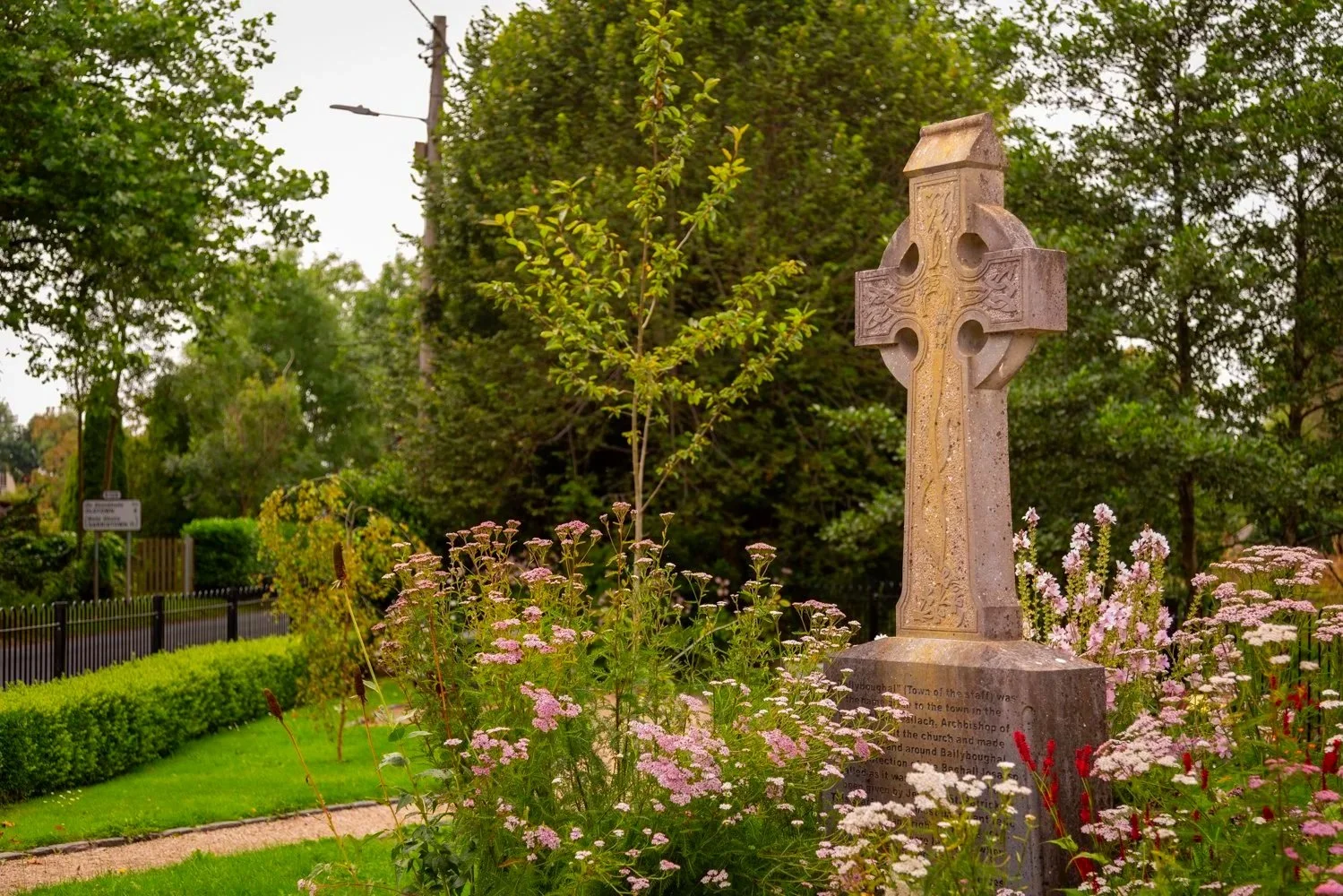
Monument Park
We honour our legacy through a wide range of projects that blend heritage conservation with deep-rooted community pride. One of the most meaningful examples of this is Monument Park, a beautifully restored green space nestled by the Ballyboughal River.
-
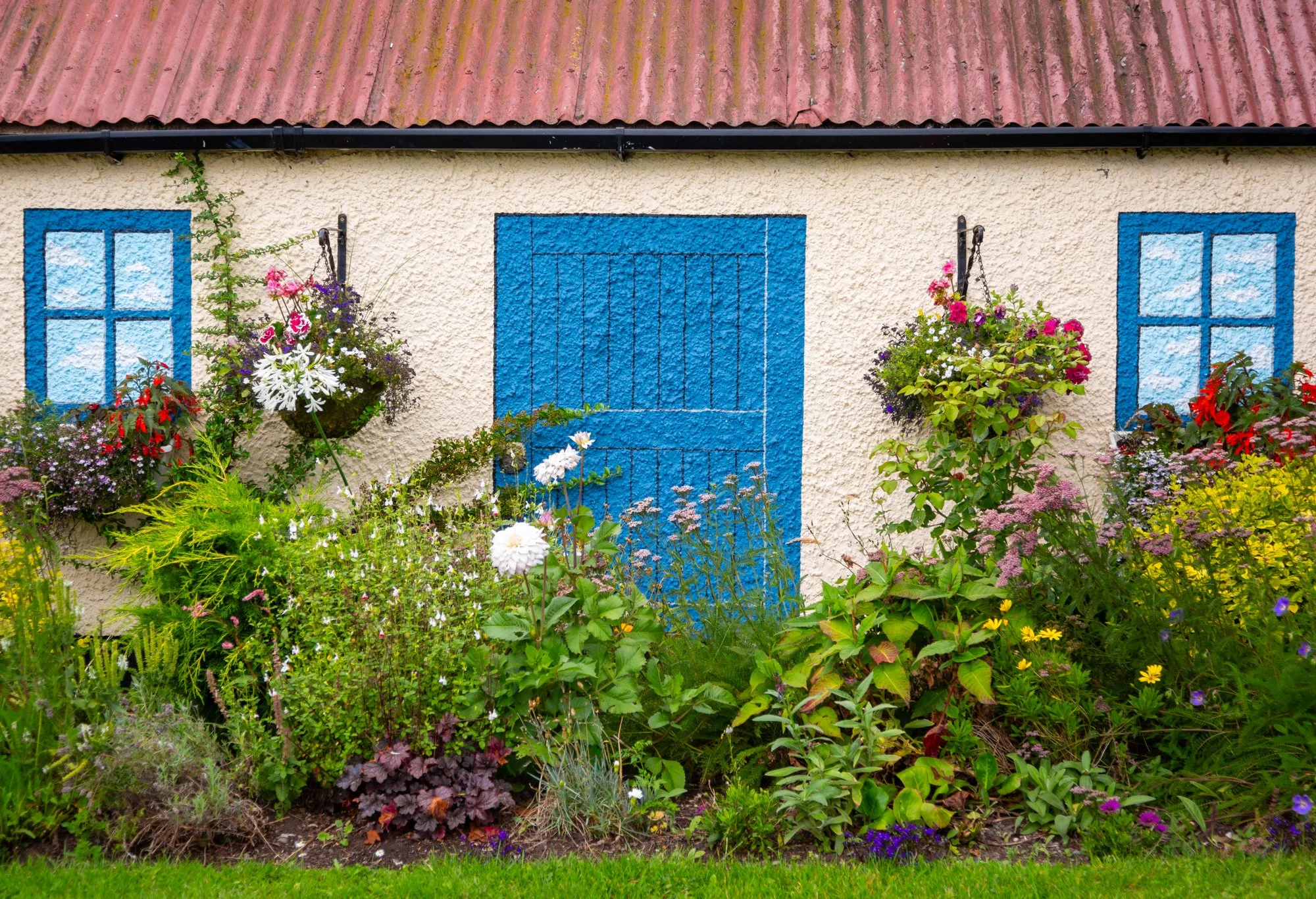
Community Garden at the Square
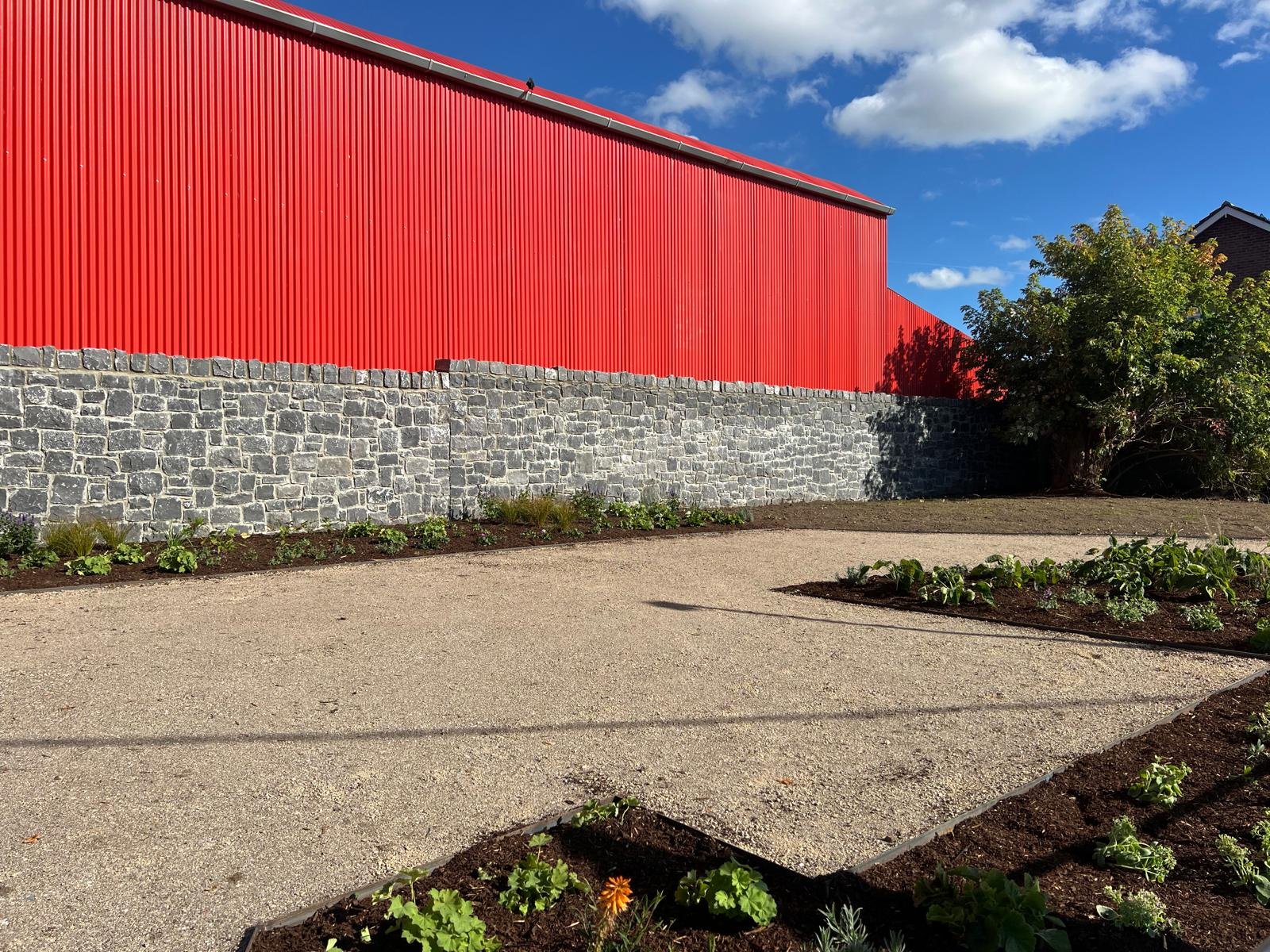
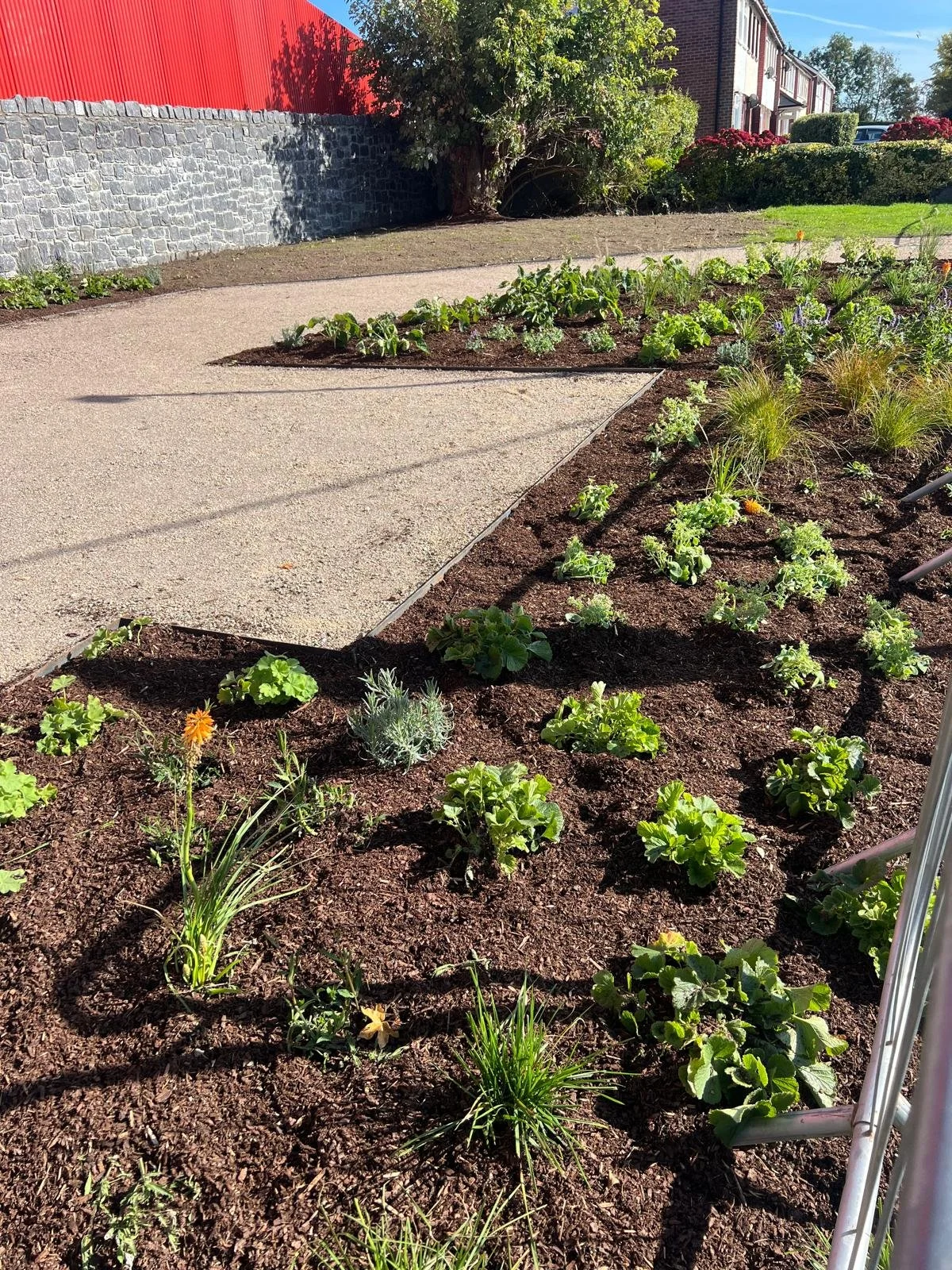
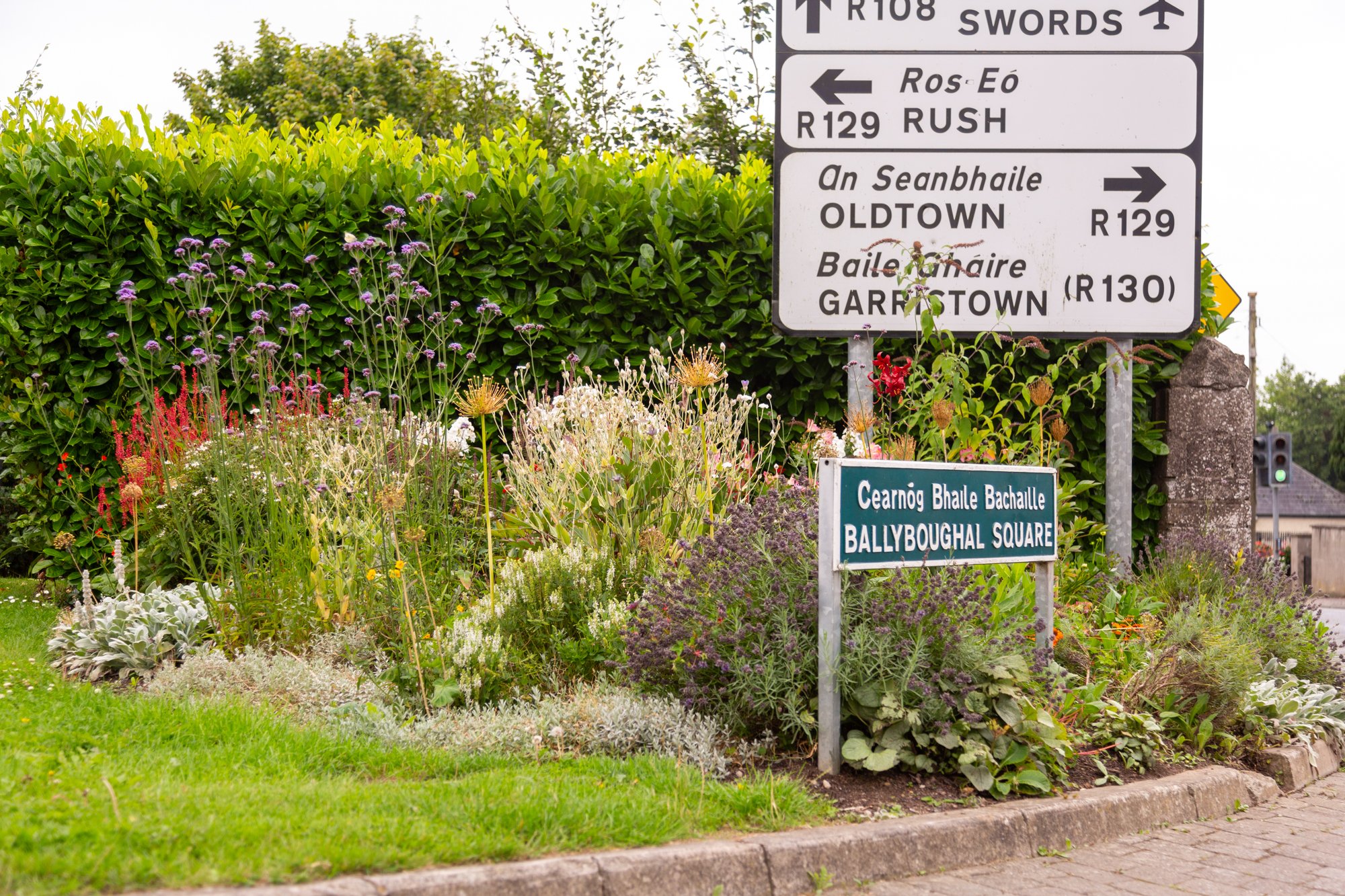
Nearby, the revitalized Community Garden at The Square is breathing new life into a once-forgotten site, now designed to echo both our historical charm and biodiversity.
-
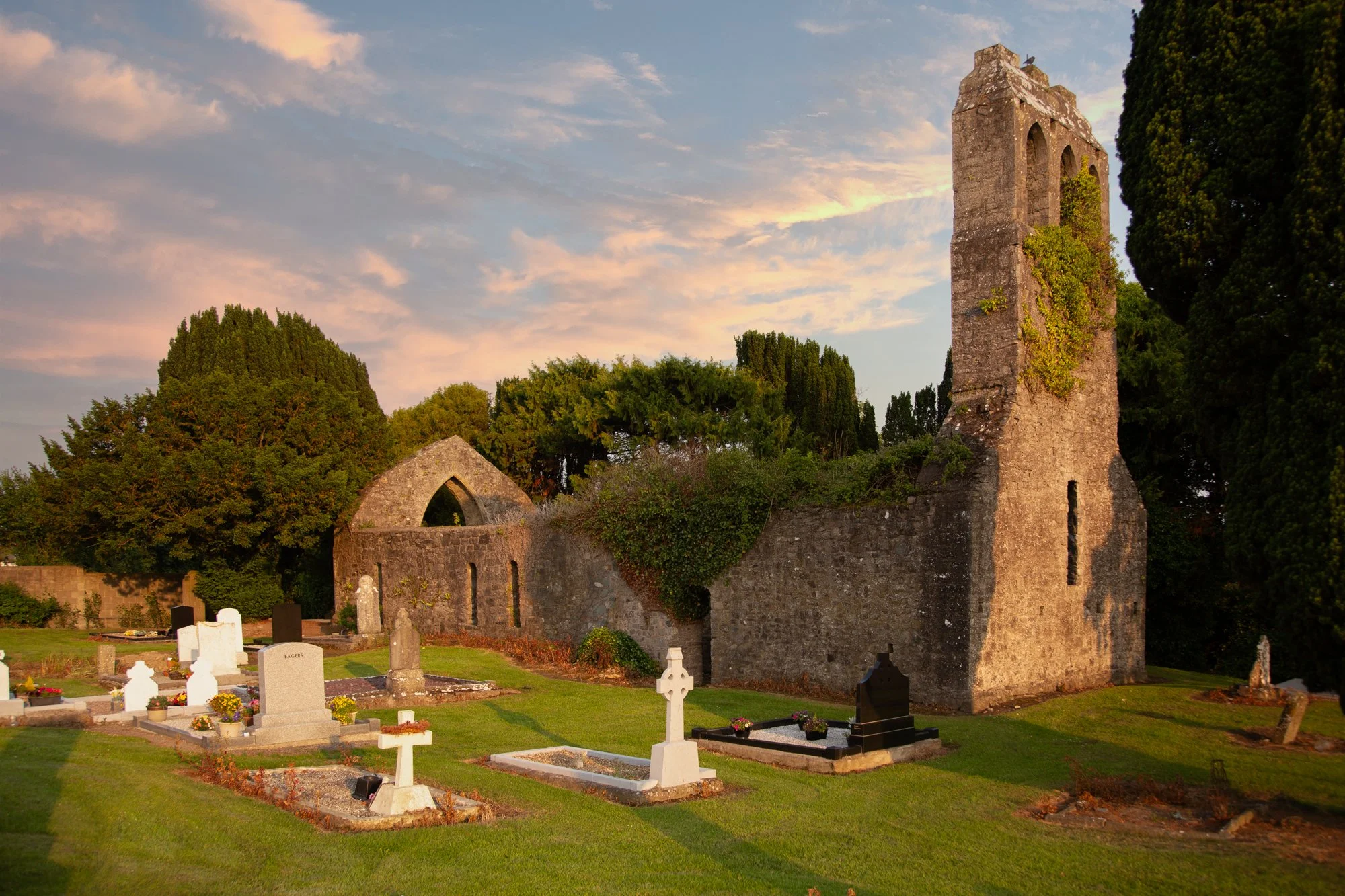
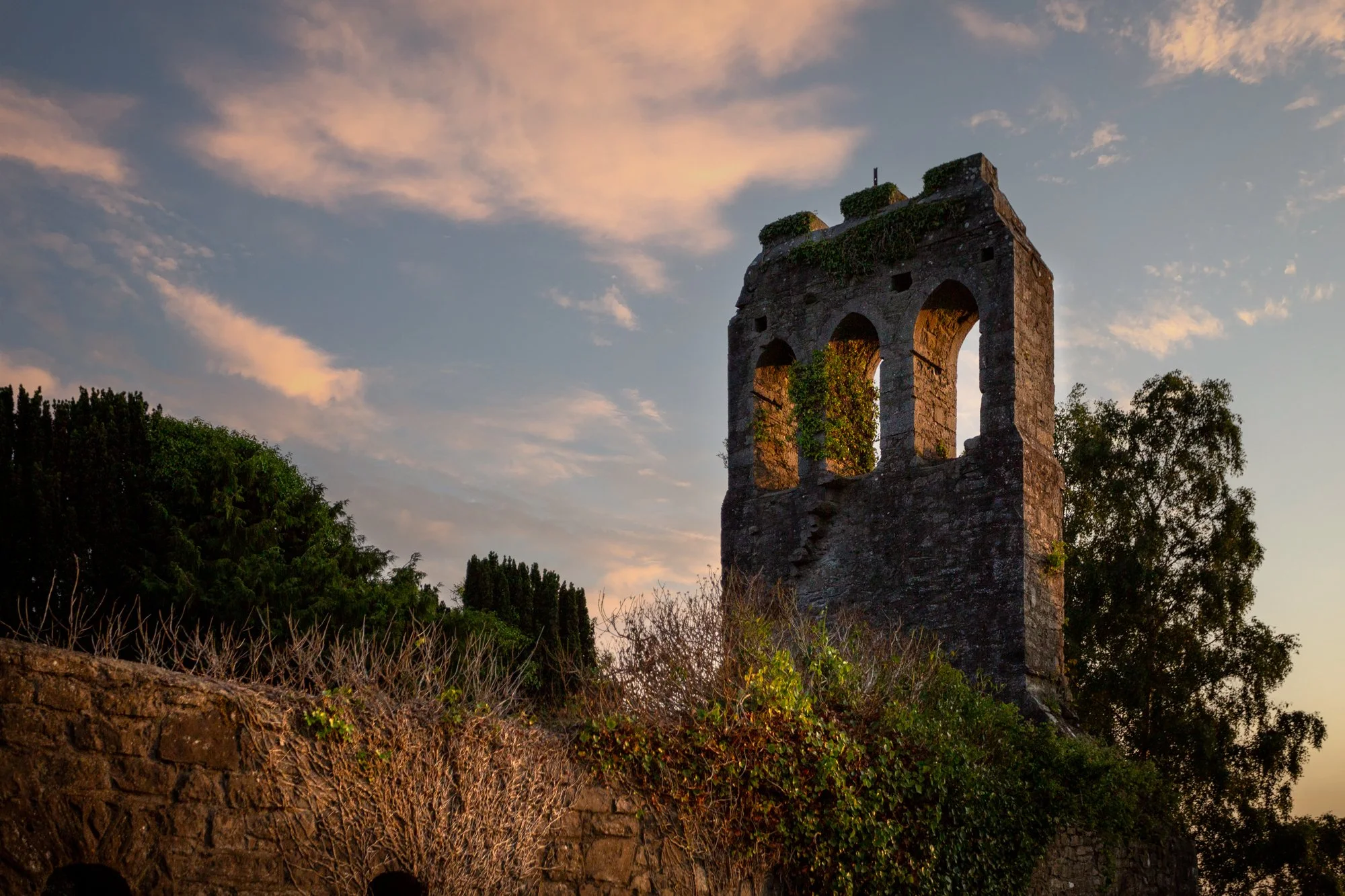
Old Church Ruins
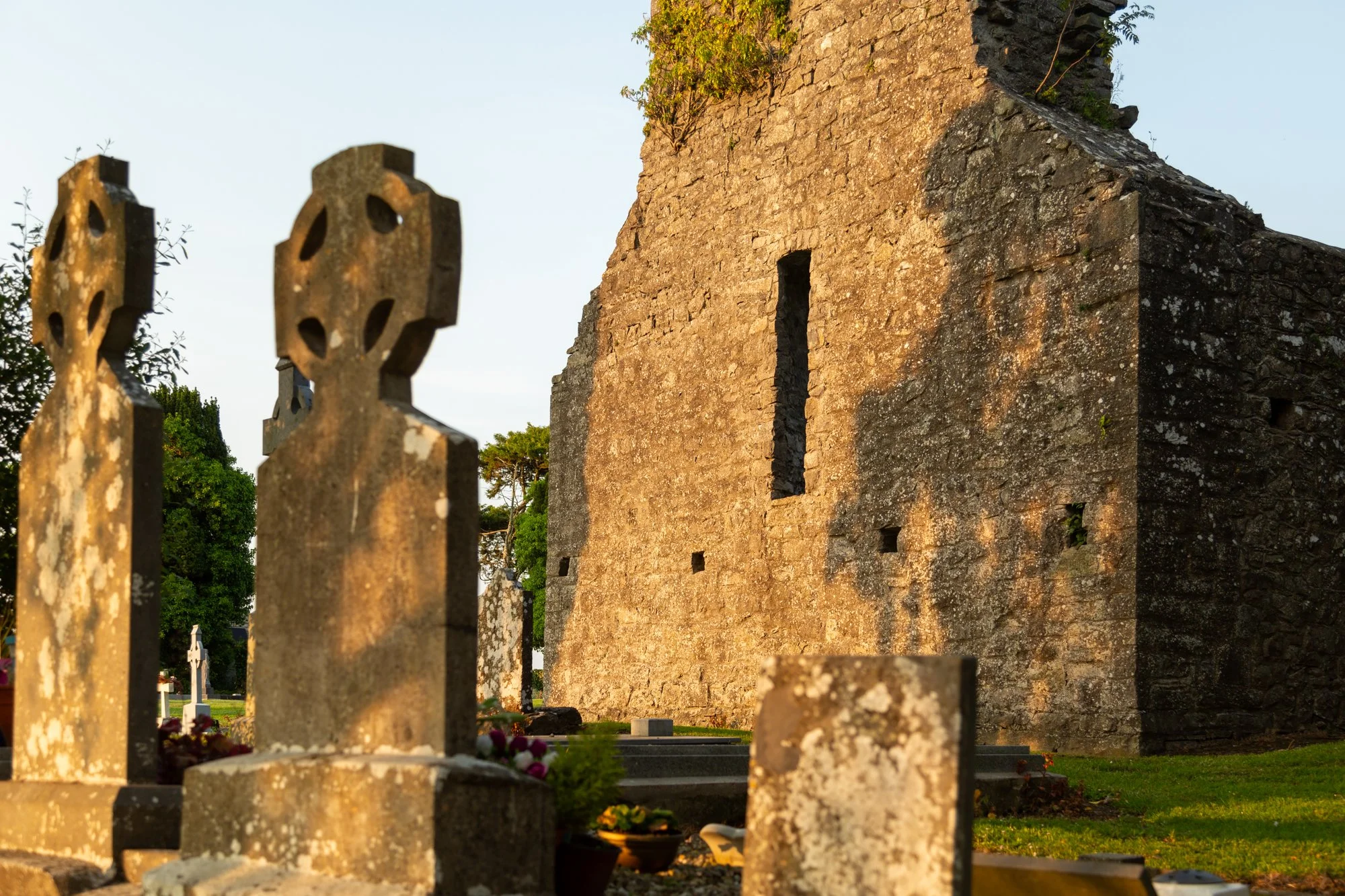
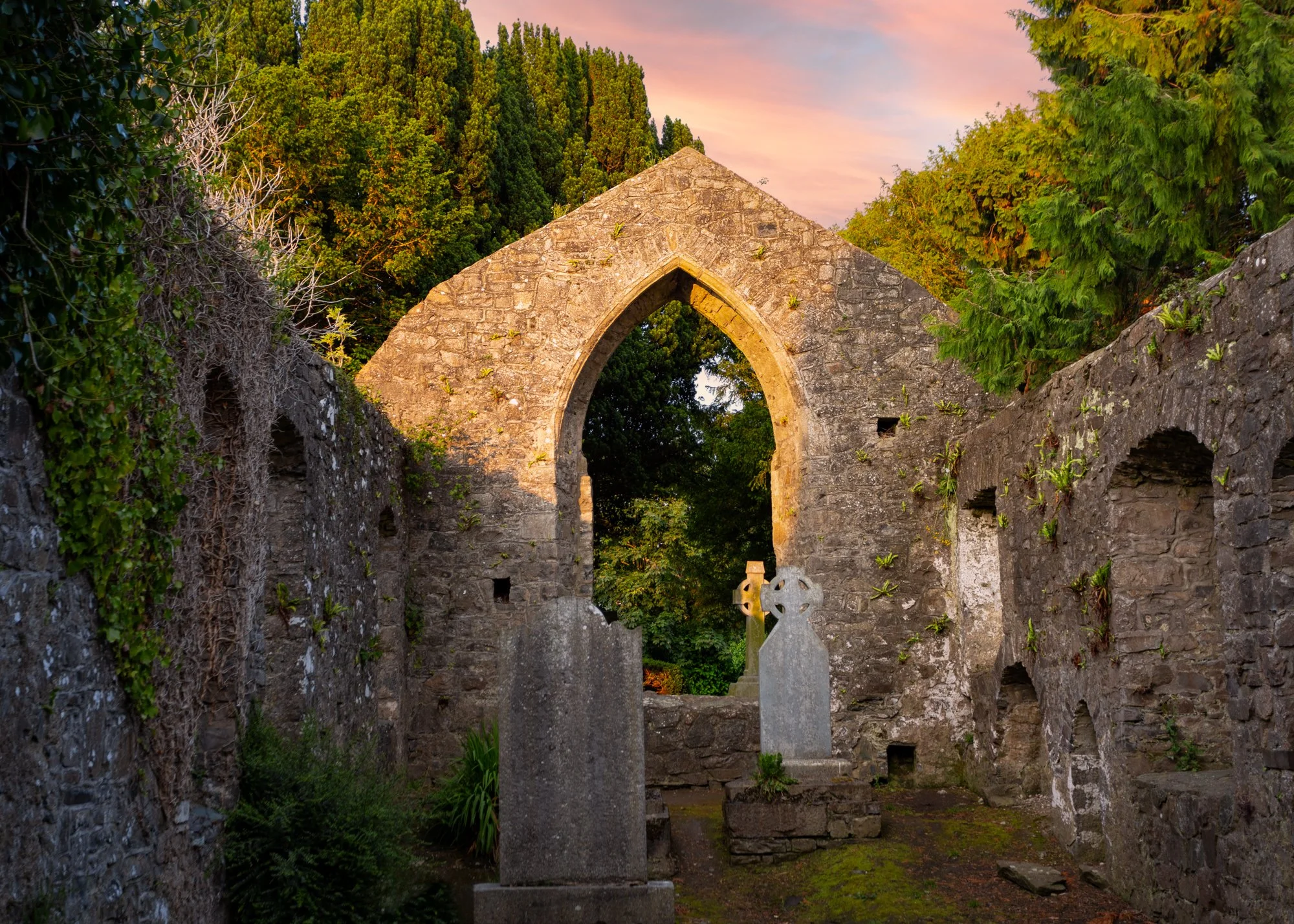
This striking medieval ruin, located in the Old Ballyboughal Burial Ground, is where St. Patrick’s staff (Bachal Íosa) was historically kept. The church dates back to medieval times, featuring a triple bellcote on its west gable and a 14th-century arched window on the east gable.
-
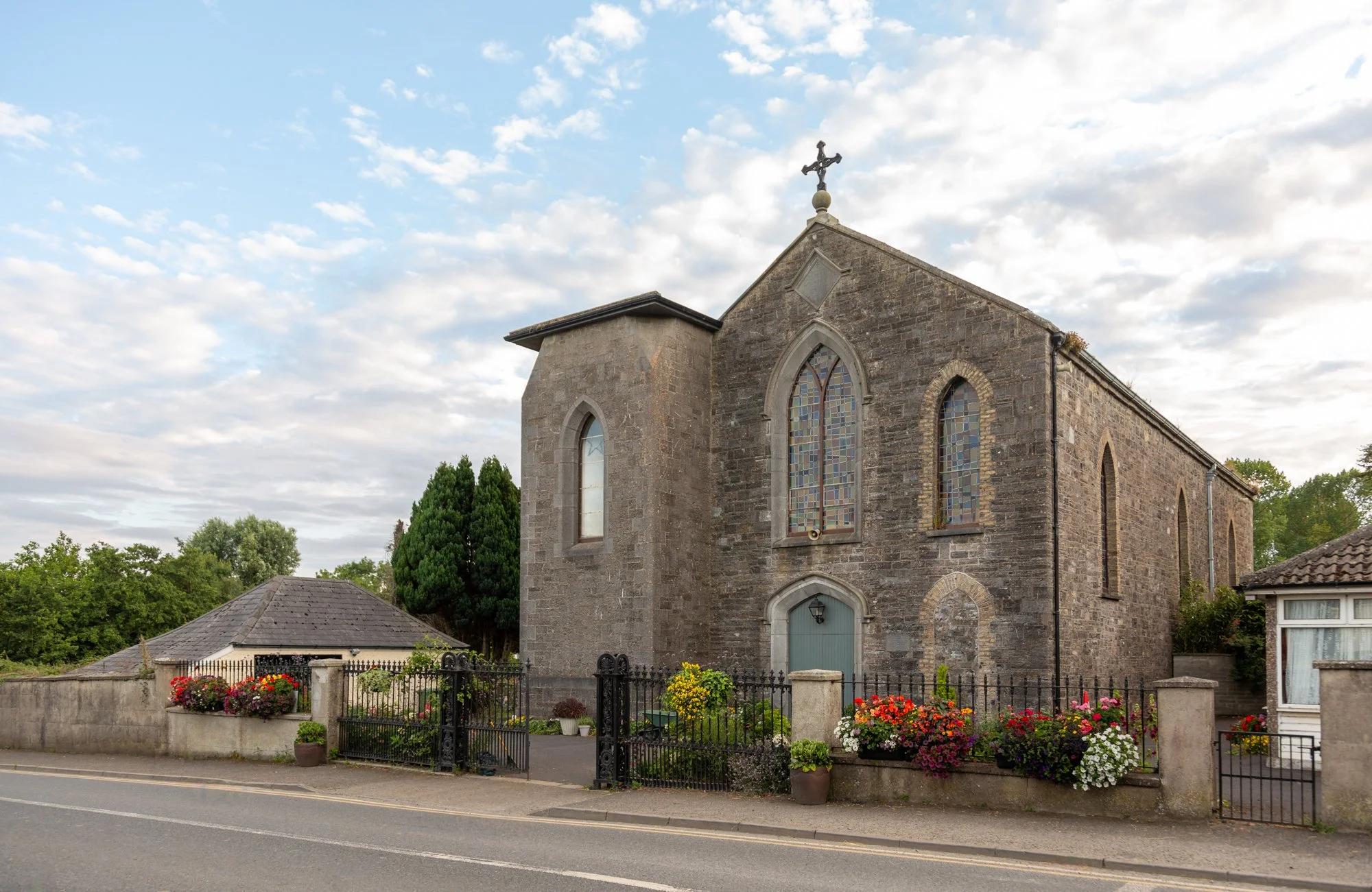
Church of the Assumption
The Church of the Assumption was erected in 1836 as a Chapel of Ease serving the Parish of Naul. It was built under the guidance of Reverend George Canavan, P.P., whose dedication is inscribed high on the gable:
Easy access and proximity to the village center make it the village’s main Catholic worship space to this day.
-

The 1798 Momument
The 1798 Rebellion holds a poignant place in Ballyboughal’s history. On 14 July 1798, the village became the site of the last stand of Wexford rebels—an estimated 200 to 250 pikemen—who were killed by Crown forces and are believed to be buried in and around the old Ballyboughal graveyard.
-

Ballyboughal River
The Ballyboughal River is a defining natural feature of the village, flowing eastward through its heart and shaping both its landscape and history. Rising at Tobergregan, just south of Garristown, the river winds its way through fertile farmland and green meadows before eventually reaching the Rogerstown Estuary, an important coastal wetland and bird sanctuary.
-
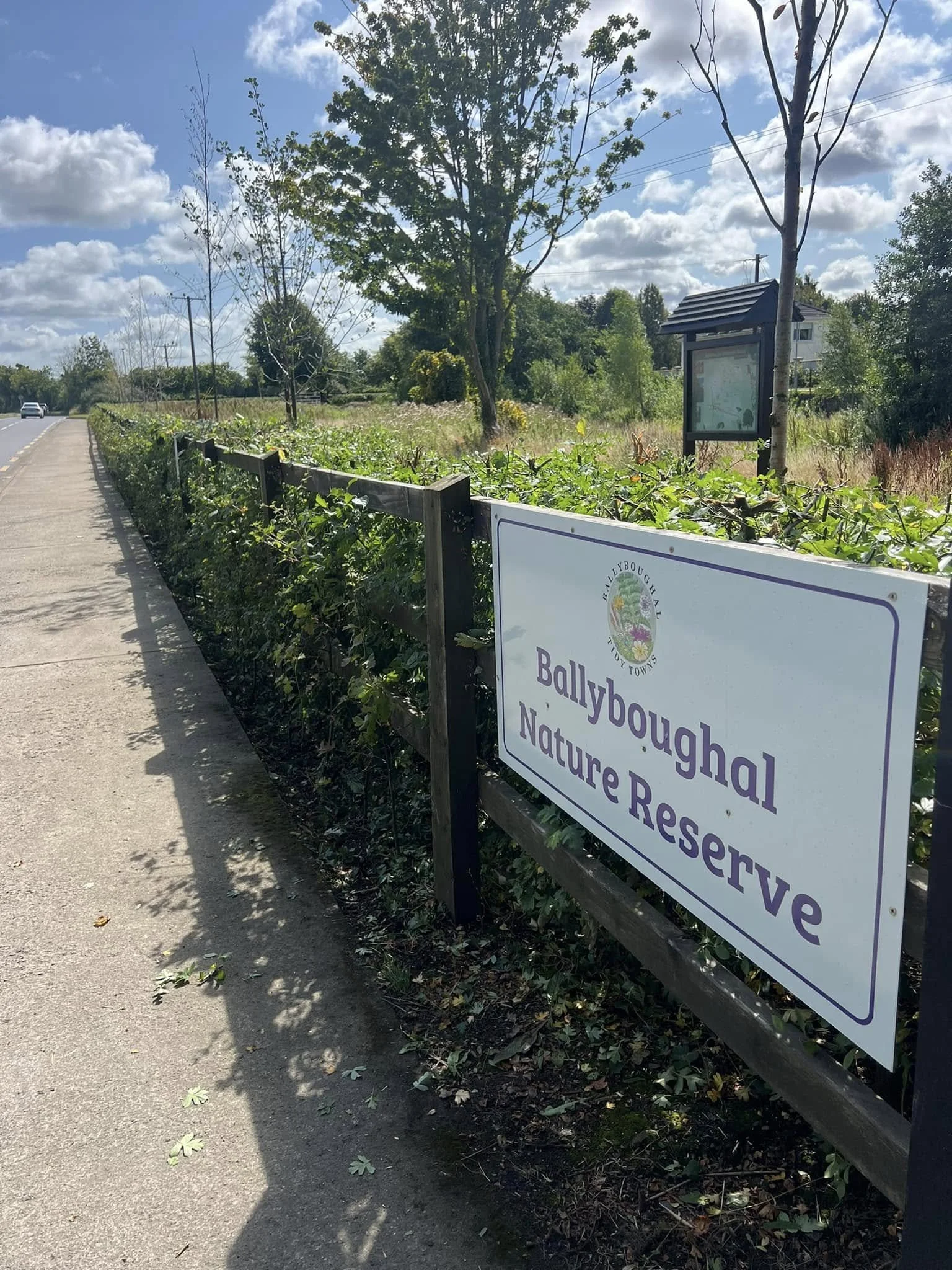
Ballyboughal Nature Reserve
The Ballyboughal Nature Reserve at Cois Sruthain is a community-led green space developed in partnership with Fingal County Council. Located on the R129, this reserve was handed over from Montane Developments and is now protected for wildlife, biodiversity, and local enjoyment.
Church of the Assumption
Historical Overview
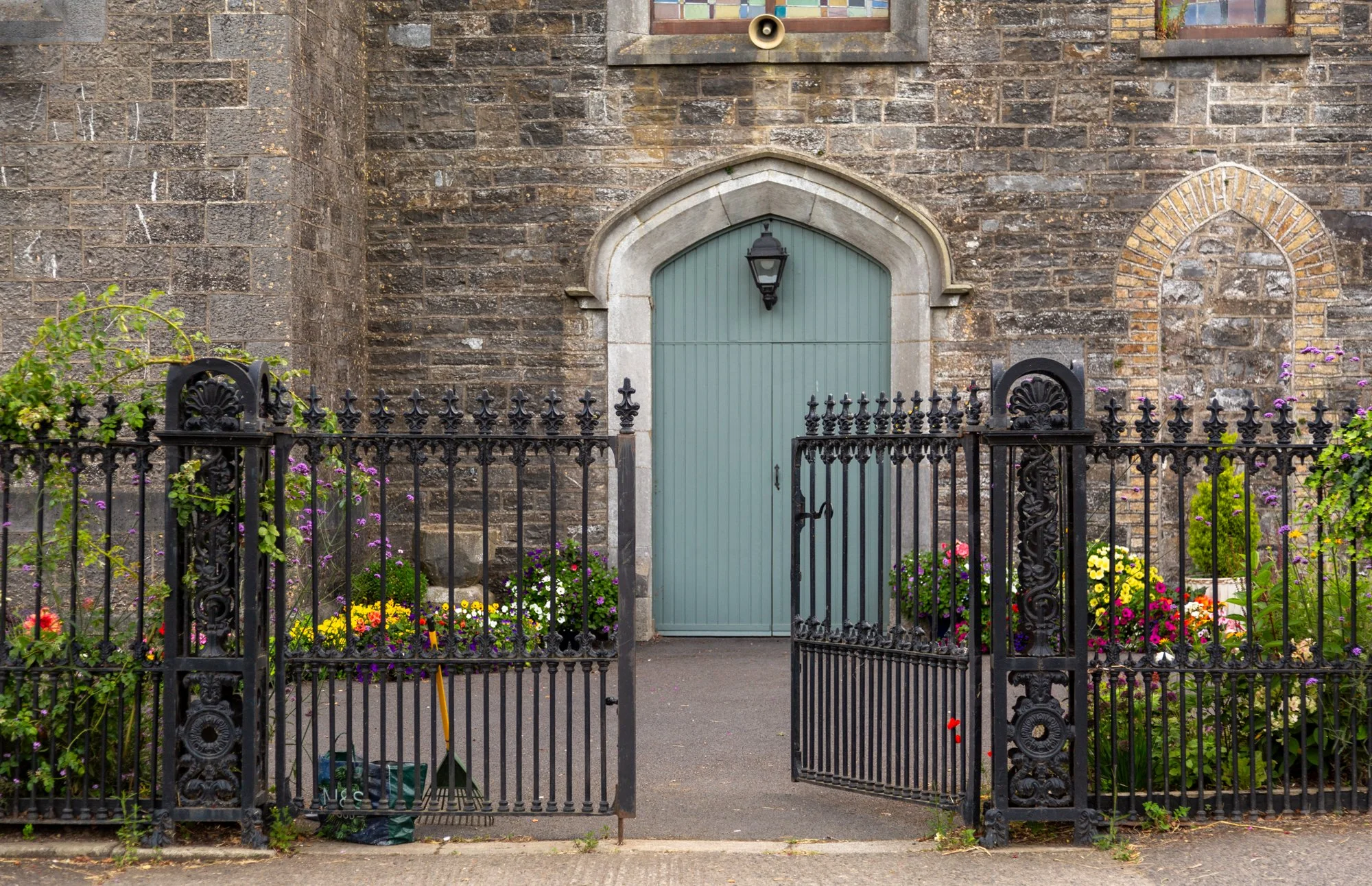
The Church of the Assumption was erected in 1836 as a Chapel of Ease serving the Parish of Naul. It was built under the guidance of Reverend George Canavan, P.P., whose dedication is inscribed high on the gable. Easy access and proximity to the village center make it the village’s main Catholic worship space to this day.
As a Chapel of Ease, its primary role is to serve local worshippers, supplementing the main parish church in Naul.
Current Mass times are regularly listed.
The church remains central to village life, serving spiritual needs, hosting community events, and connecting residents to centuries of local Catholic tradition.
It stands in interesting juxtaposition to the medieval ruin of the Old Church of the Assumption (now simply known as Old Ballyboughal Church) just a short distance away, linking contemporary worship to deep-rooted heritage
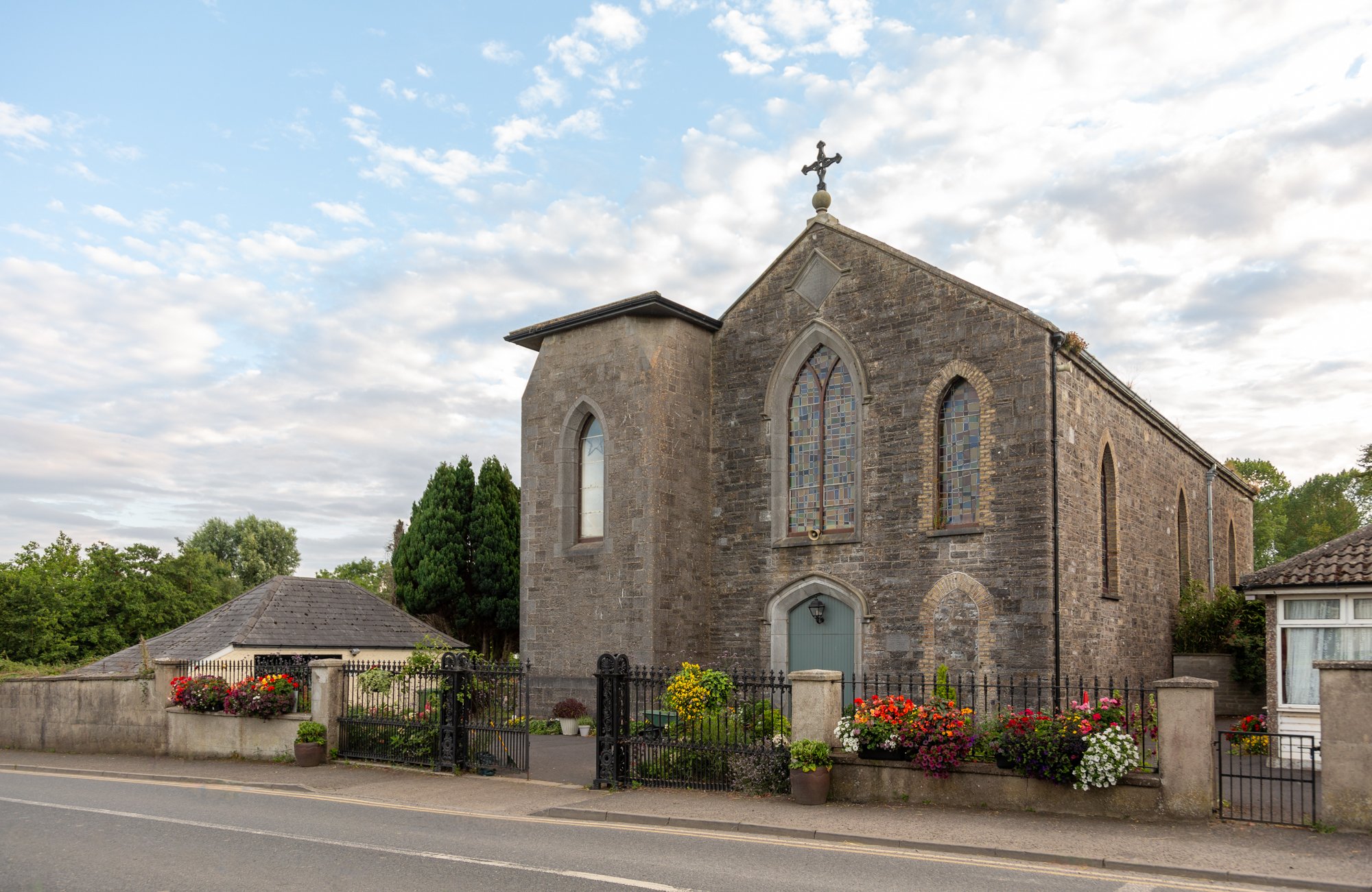
Photos: Terry Quinlan 2025
Ballyboughal River

Photos: Terry Quinlan 2025 & Unnamed Source
Historical Overview
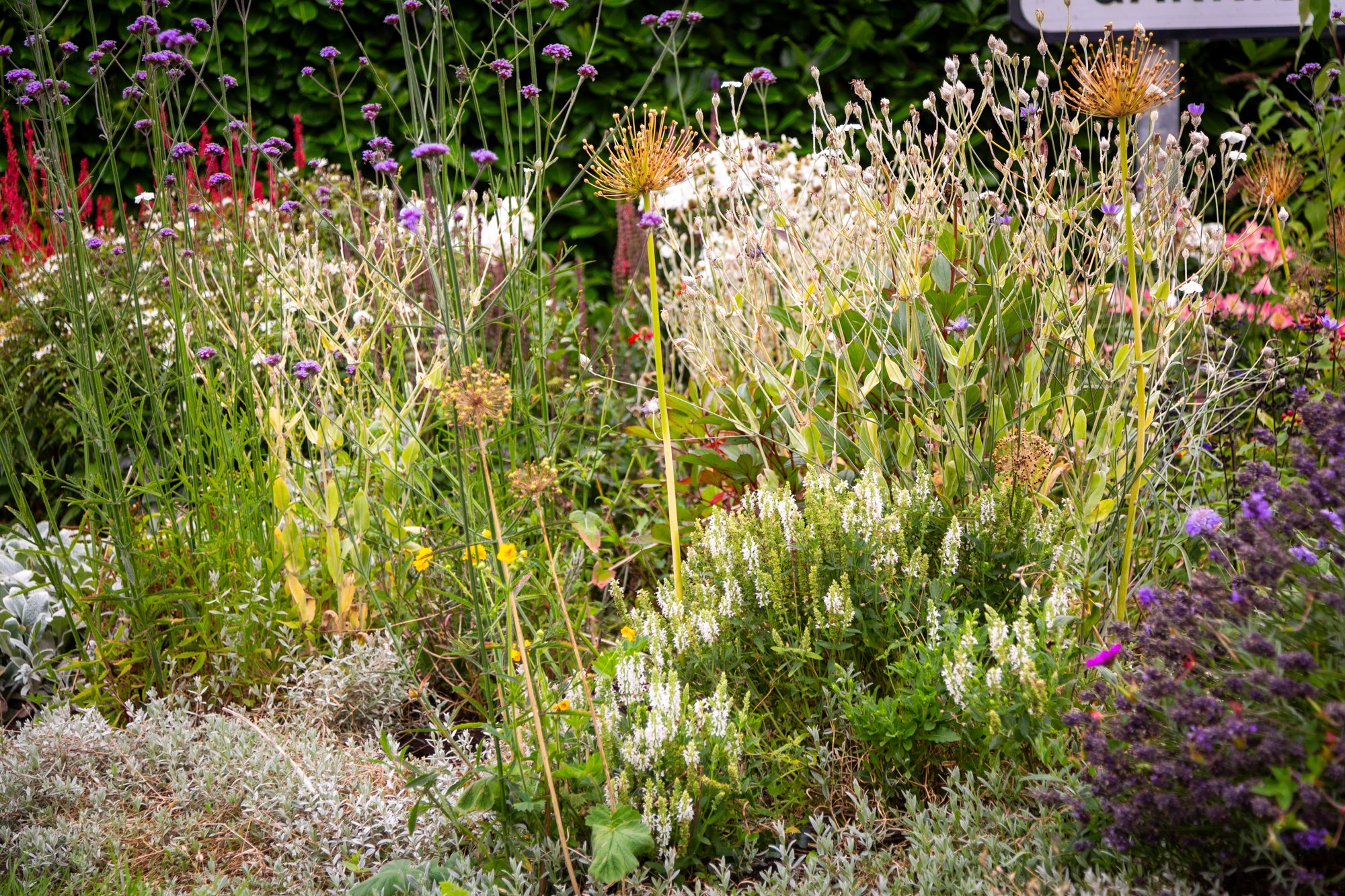
The Ballyboughal River is a defining natural feature of the village, flowing eastward through its heart and shaping both its landscape and history. Rising at Tobergregan, just south of Garristown, the river winds its way through fertile farmland and green meadows before eventually reaching the Rogerstown Estuary, an important coastal wetland and bird sanctuary.
In centuries past, the river was central to daily life, providing water for agriculture, serving as a natural boundary, and contributing to the settlement patterns that led to the establishment of the medieval church lands linked to St Mary’s Abbey in Dublin. Its name is intertwined with the village’s heritage, echoing through the Irish place name Baile Bachaille, “Town of the Staff.”
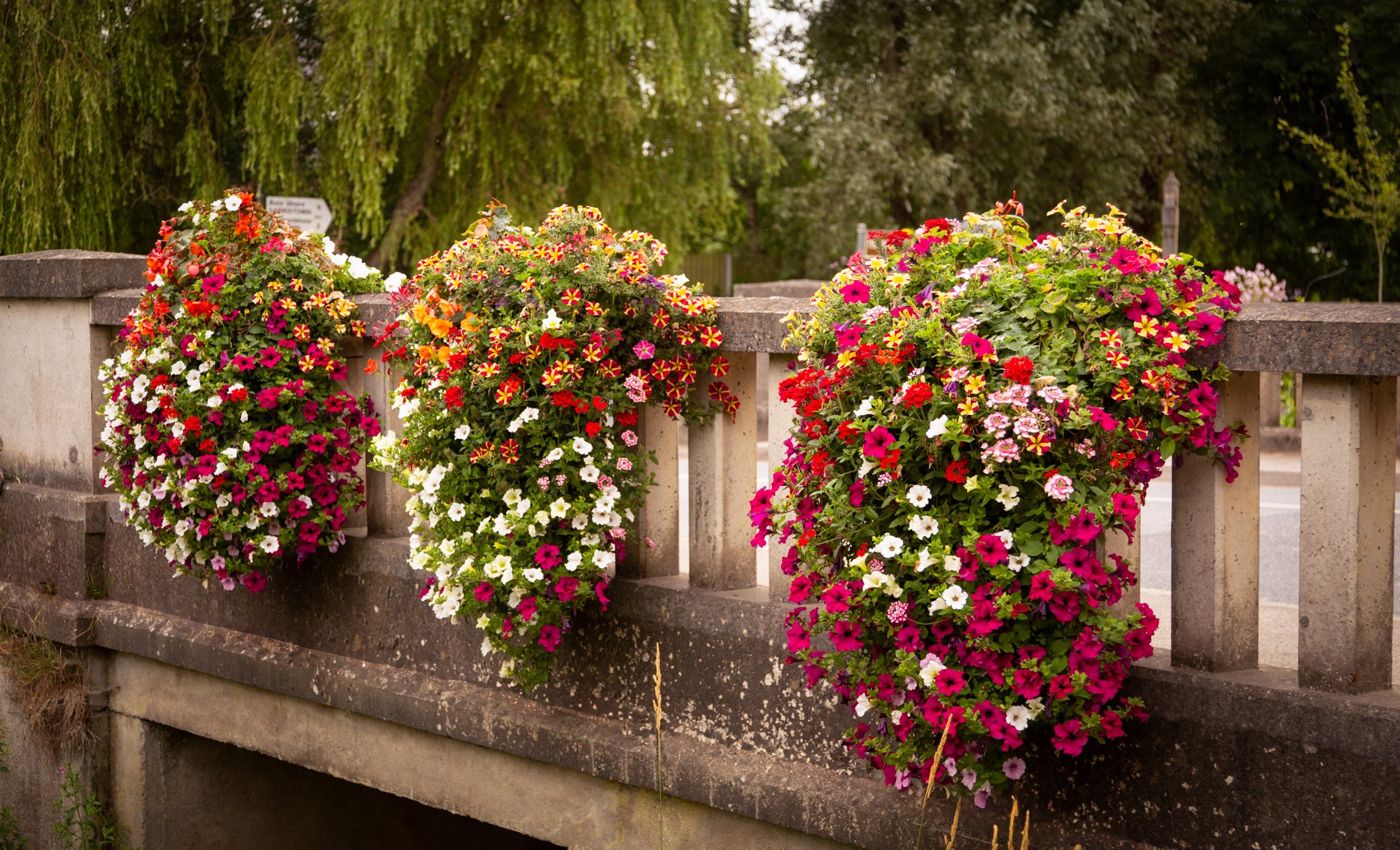
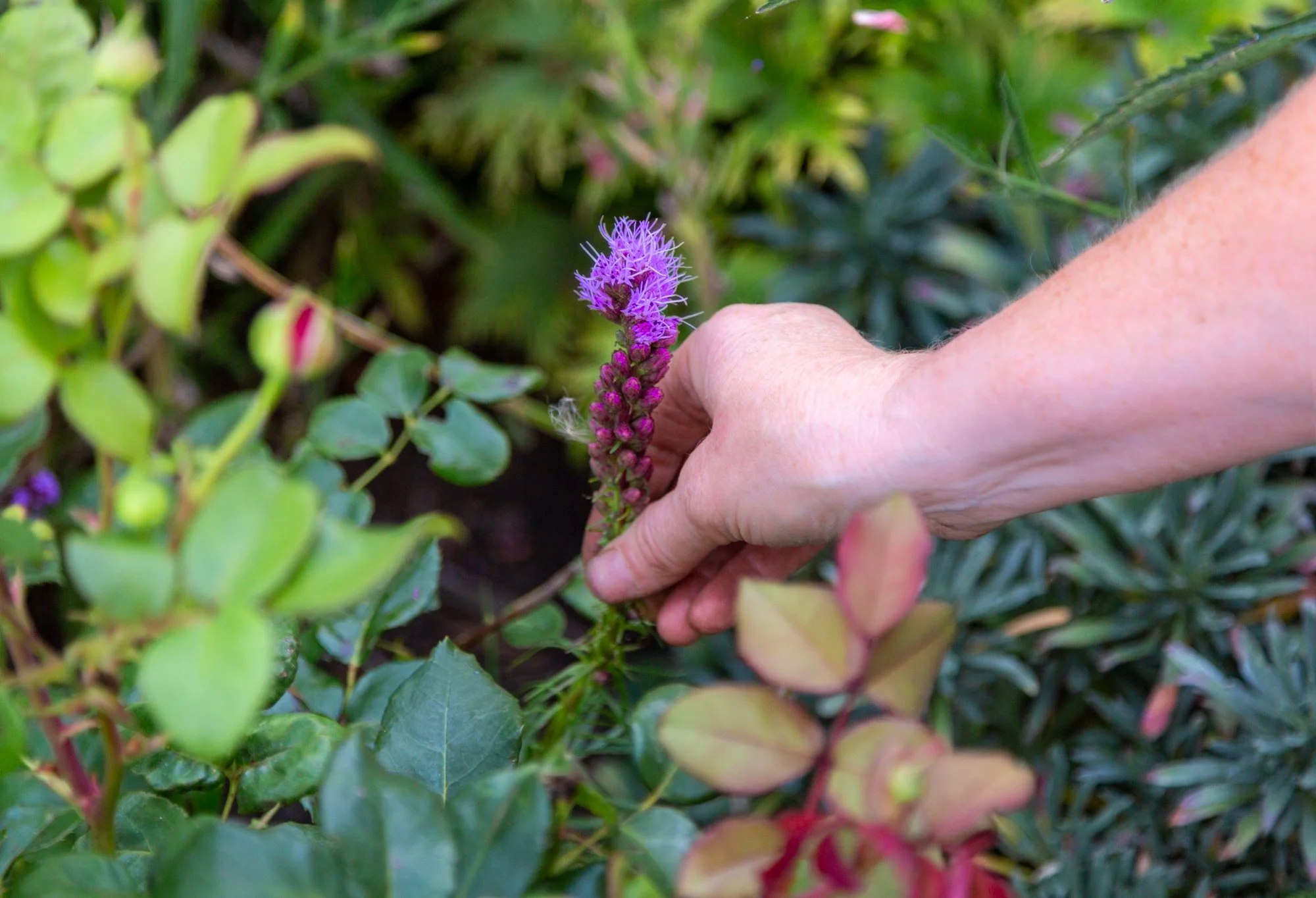
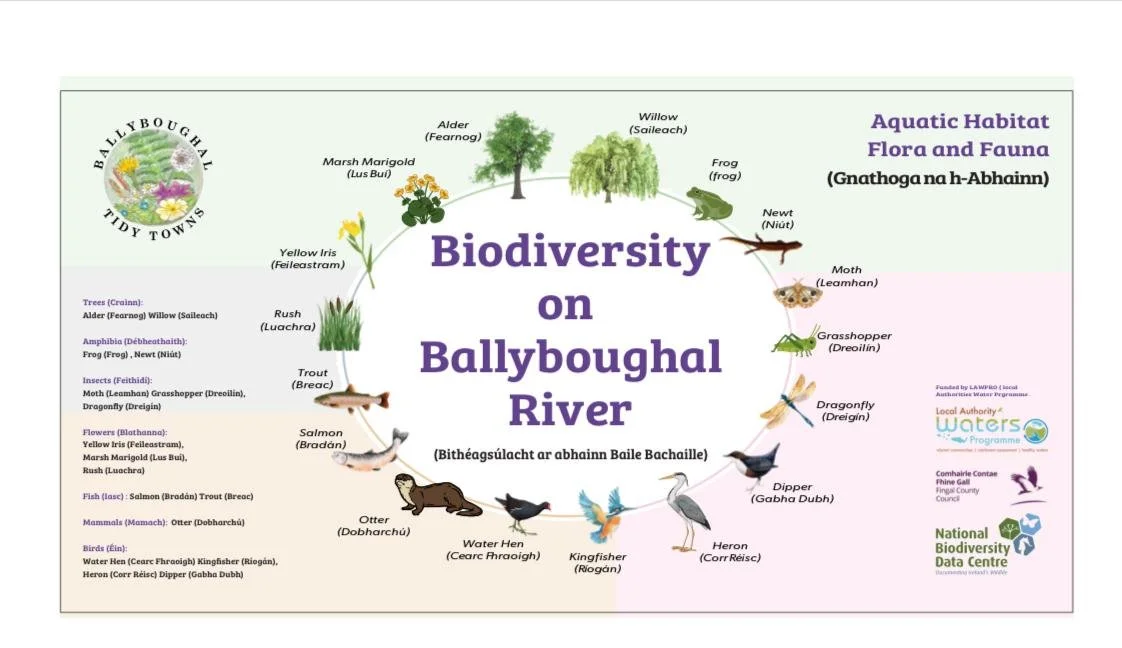
Today, the Ballyboughal River remains a cherished natural asset and a focal point for biodiversity. Hedgerows, riparian vegetation, and native trees along its banks create wildlife corridors, supporting pollinators, birds, and aquatic species.
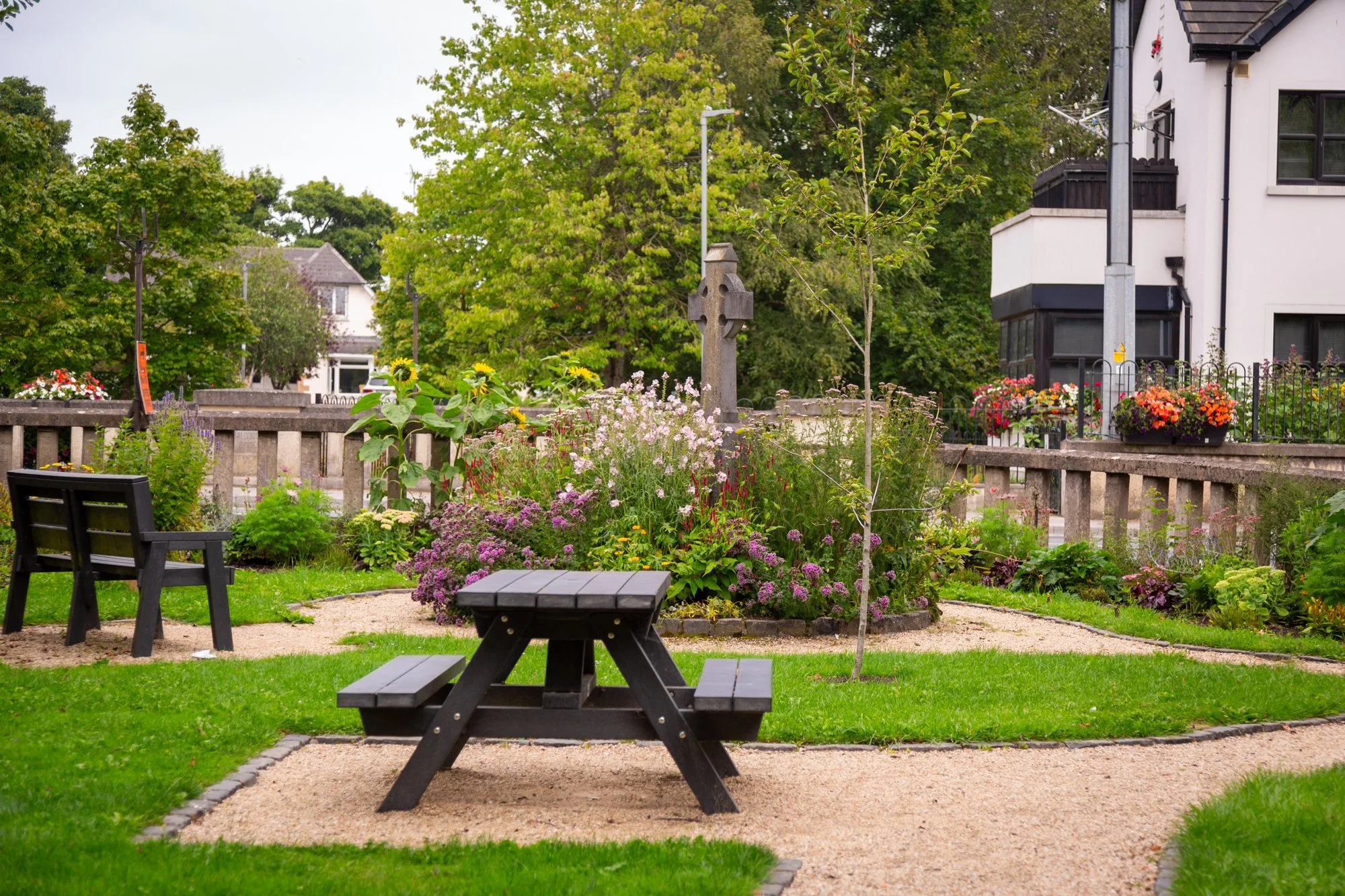
Sites such as Monument Park, situated at the bridge over the river, offer scenic viewpoints where residents and visitors can pause to enjoy the tranquil flow of water beneath historic stonework. Conservation efforts, including regular riverbank maintenance and participation in water quality studies through LAWPRO, help ensure that the Ballyboughal River remains healthy and vibrant for future generations.
Whether as a historical lifeline, a haven for wildlife, or a picturesque backdrop to village life, the river continues to be a thread connecting Ballyboughal’s past, present, and future.
1798 Monument
Historical Overview
The 1798 Rebellion is etched deeply into Ballyboughal’s past, leaving a legacy of courage, tragedy, and remembrance. On 14 July 1798, the quiet rural village became the scene of the last stand of a contingent of Wexford rebels—some 200 to 250 pikemen—who had marched north during the United Irishmen uprising. Pursued by Crown forces, the rebels made their final defence in the Ballyboughal area, where they were overpowered and killed. Local tradition holds that many of the fallen were laid to rest in and around the old Ballyboughal graveyard, north of the village, in what is now a dedicated 1798 burial plot. This historic resting place bears no individual names, yet stands as a silent testament to the sacrifice made here.
A tall Celtic cross memorial now stands on Drishogue Lane, marking the site of this defining moment in local history. Its presence is both a landmark and a reminder of the turbulent times that shaped the nation. Each year, Ballyboughal honours those who perished with a commemorative ceremony at the monument, often accompanied by a solemn procession to the graveyard. These events draw together local residents, historians, and visitors, linking the present-day community to its storied past. The 1798 monument is more than stone and inscription—it is a focal point of memory, resilience, and identity, ensuring that the story of Ballyboughal’s role in Ireland’s struggle for freedom continues to be told.
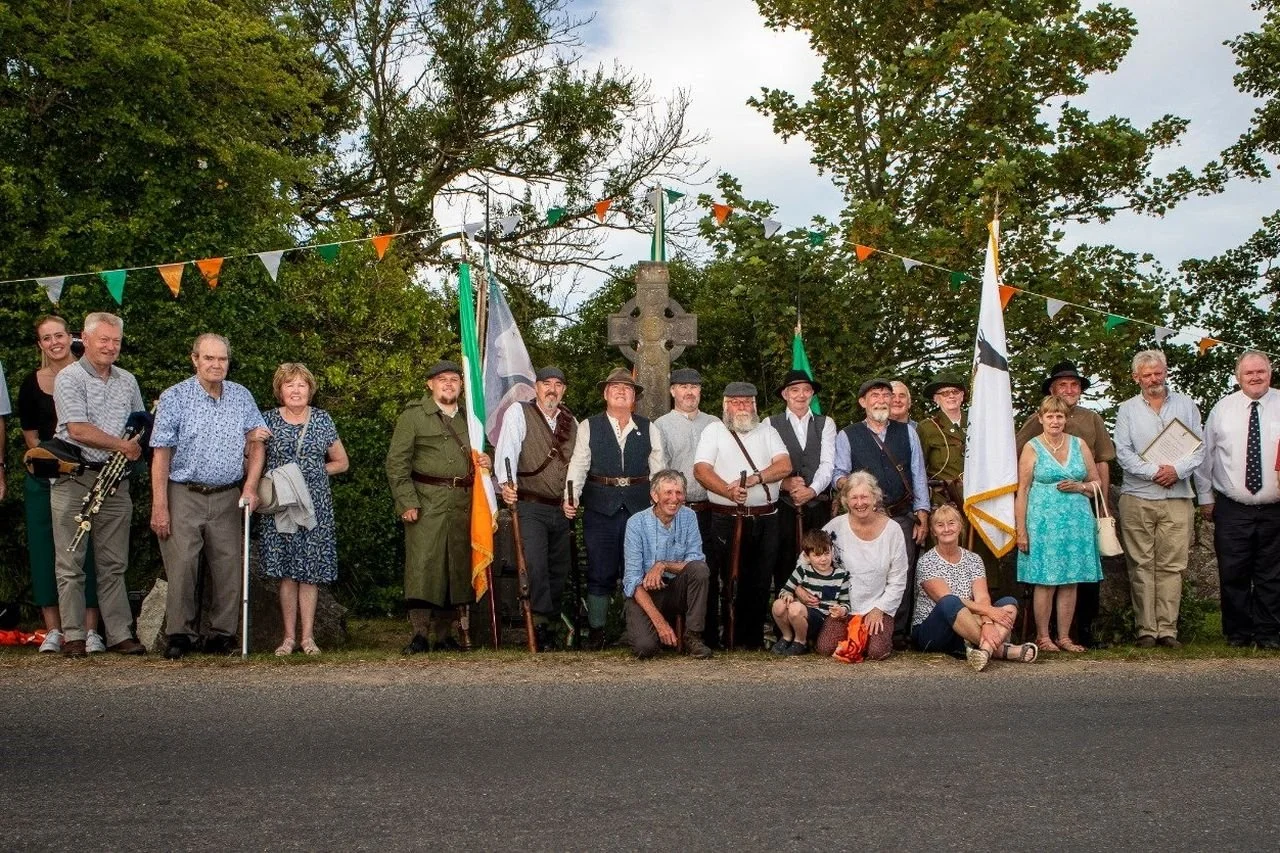
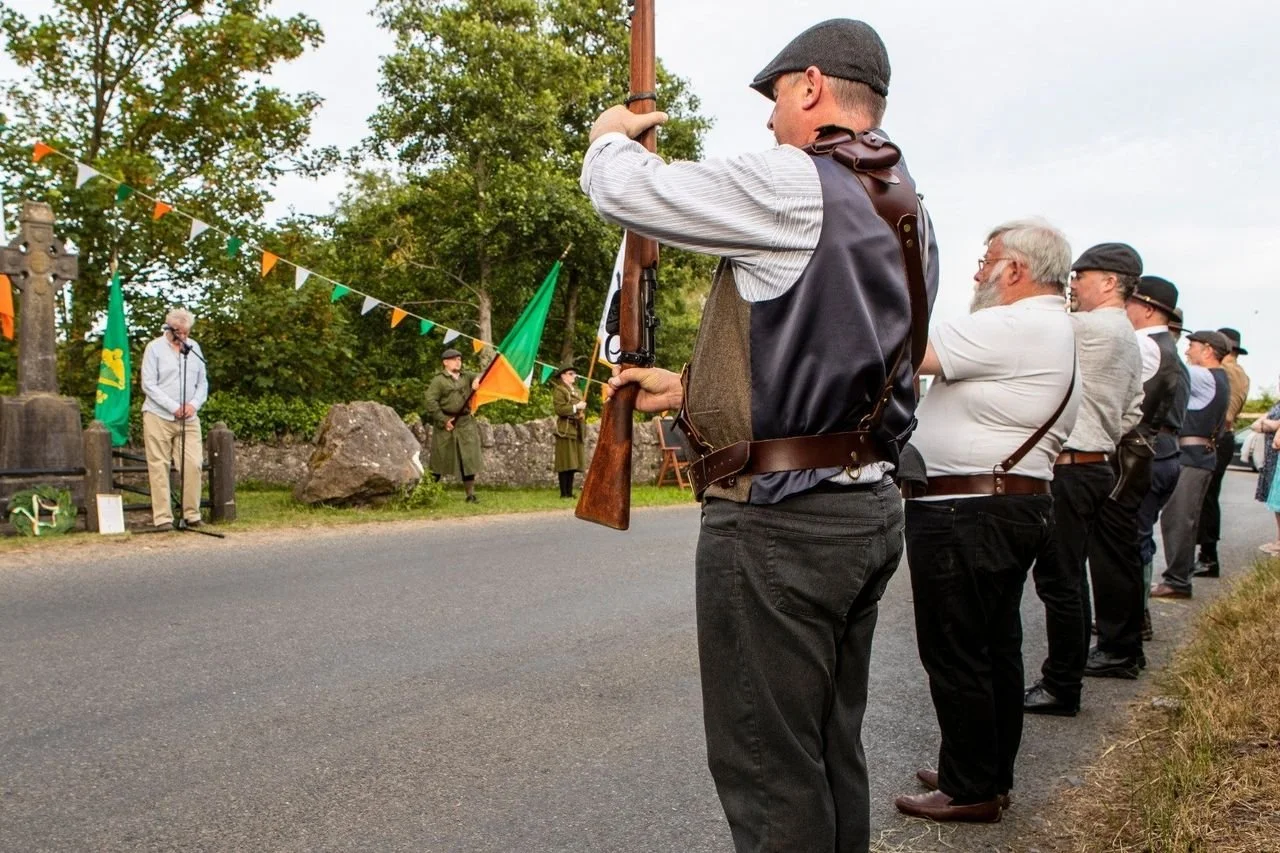
Photo Source: Irish Independent
Monument Park
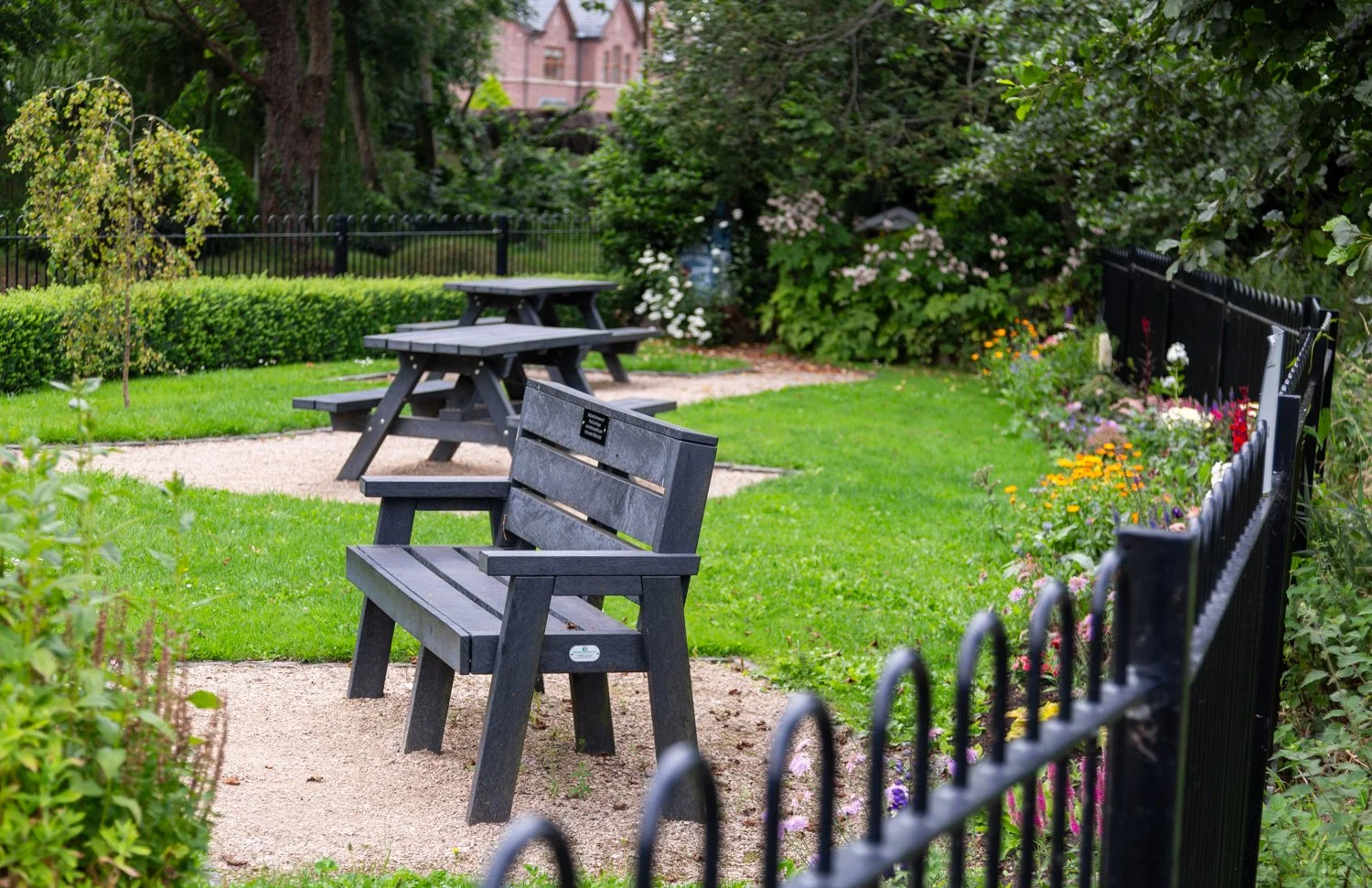
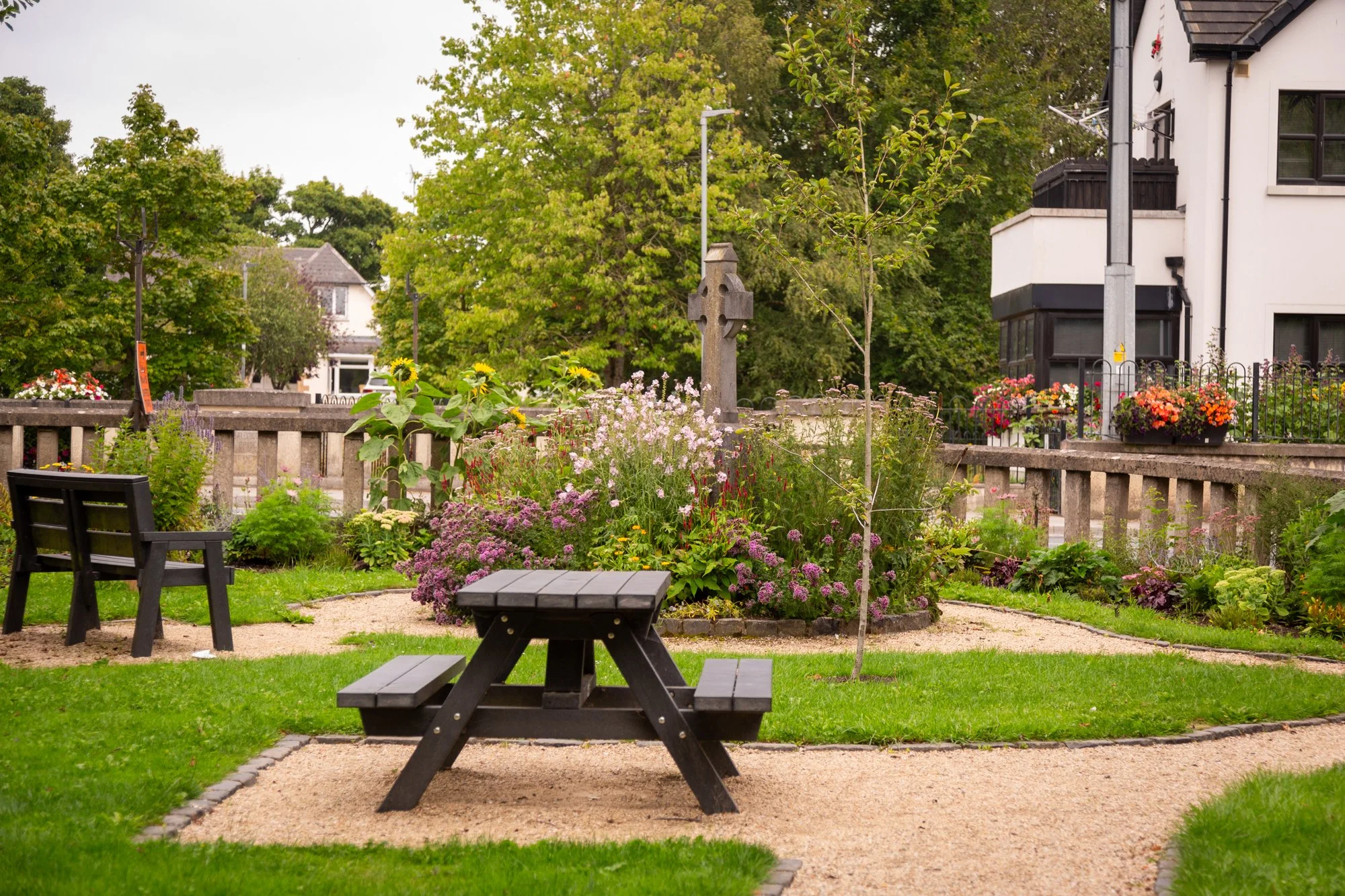
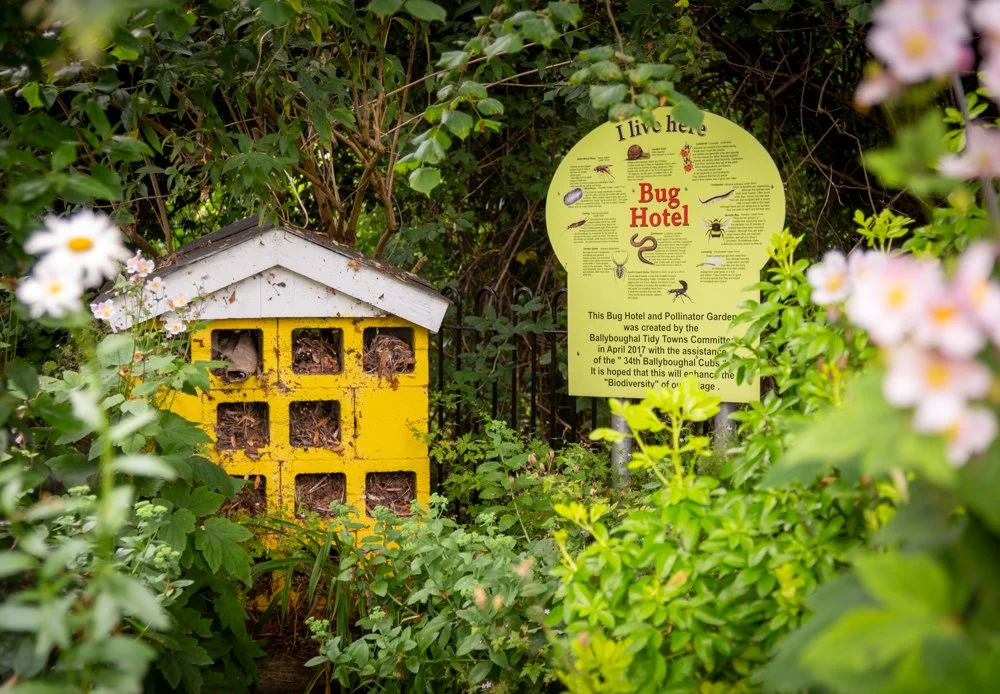
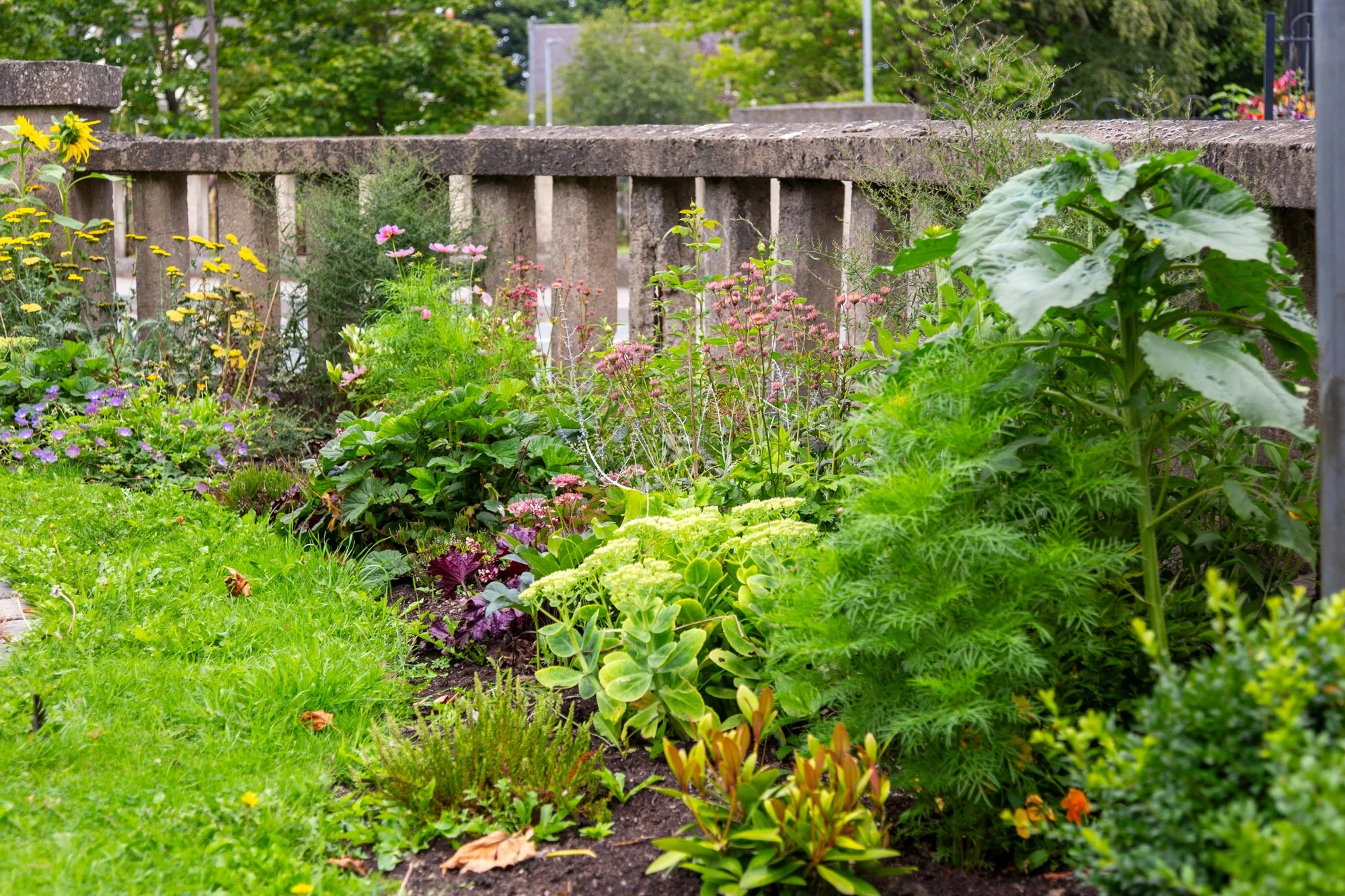
Photos: Terry Quinlan 2025
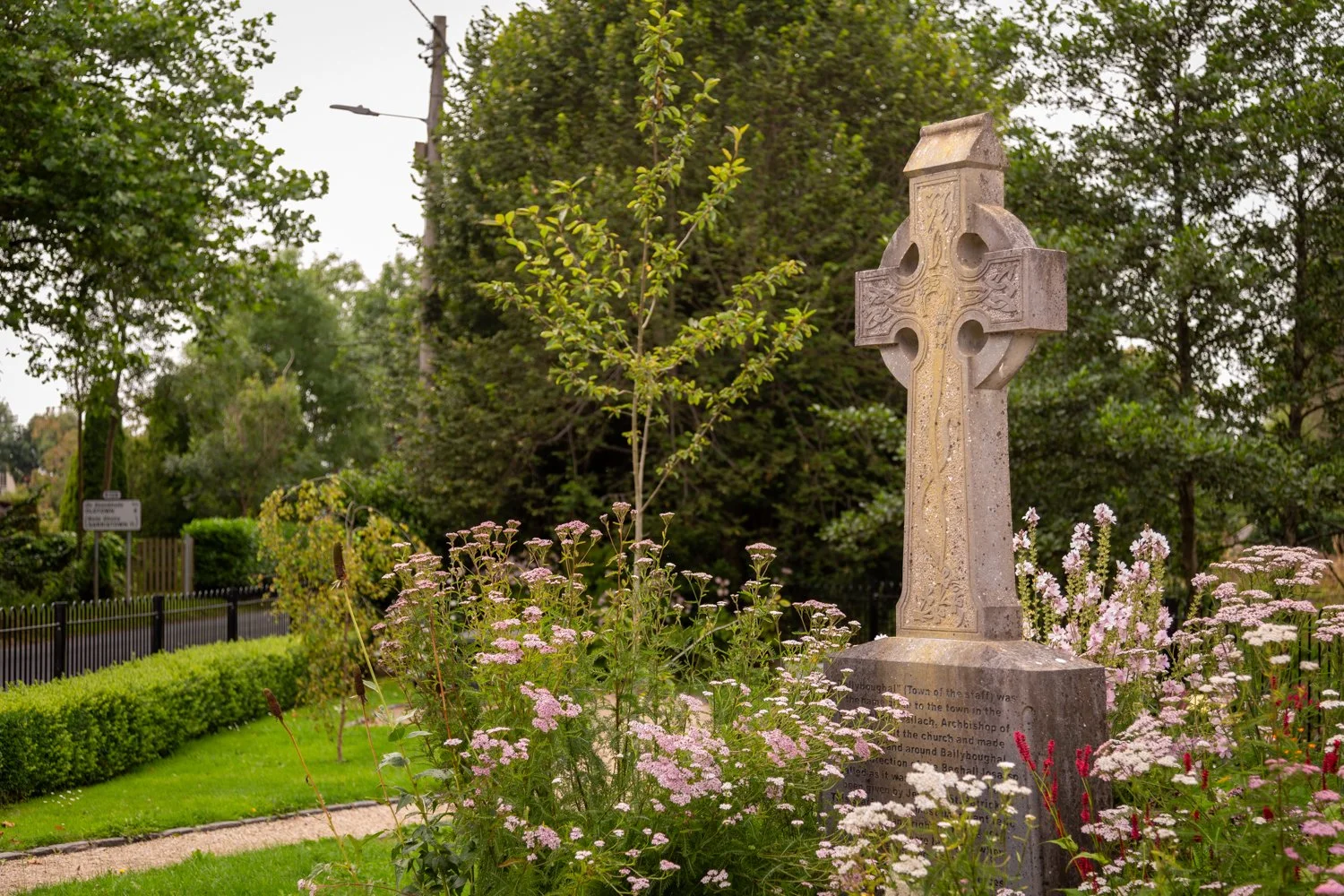
We honour our legacy through a wide range of projects that blend heritage conservation with deep-rooted community pride. One of the most meaningful examples of this is Monument Park, a beautifully restored green space nestled by the Ballyboughal River.
Once an underused area, it has been thoughtfully transformed into a place of reflection and pride. At its heart stands a striking monument to St. Patrick’s staff, a symbolic nod to the village’s historic name and ecclesiastical roots.
The park is carefully landscaped with pollinator-friendly planting, vibrant seasonal blooms, and sustainable features like a bug hotel and native bee habitat, making it not only a place of heritage, but also one of biodiversity.
Picnic benches and river views invite residents and visitors alike to slow down, connect with nature, and appreciate the cultural story woven into the landscape. Monument Park now serves as a gathering point for educational walks, community events, and quiet contemplation—an enduring reminder of Ballyboughal’s past and its commitment to a thriving future.
Community Garden at the Square
At the heart of Ballyboughal lies The Square, now home to a vibrant and thoughtfully designed Community Garden—a true symbol of renewal, collaboration, and local pride.
What began as an underused green space bordered by semi-detached homes and derelict farm buildings has been transformed into a welcoming and biodiverse oasis for all. This project, years in the making, involved close consultation with Fingal County Council, local residents, adjacent property owners, and community volunteers, all united by a vision of bringing nature and people together in a meaningful way,
The garden continues to evolve through a phased development plan, with seating areas, winding paths, and additional landscaping being added to create a true communal sanctuary. It’s not just a garden—it's a living example of what can be achieved when a community comes together with a shared purpose.
Whether you're enjoying a quiet moment on a bench, exploring the native planting, or joining in a community event, The Square's garden invites you to connect—with nature, with neighbours, and with Ballyboughal’s ongoing story of regeneration.
Photos: Terry Quinlan 2025

Old Ballyboughal Church
Photos: Terry Quinlan 2025
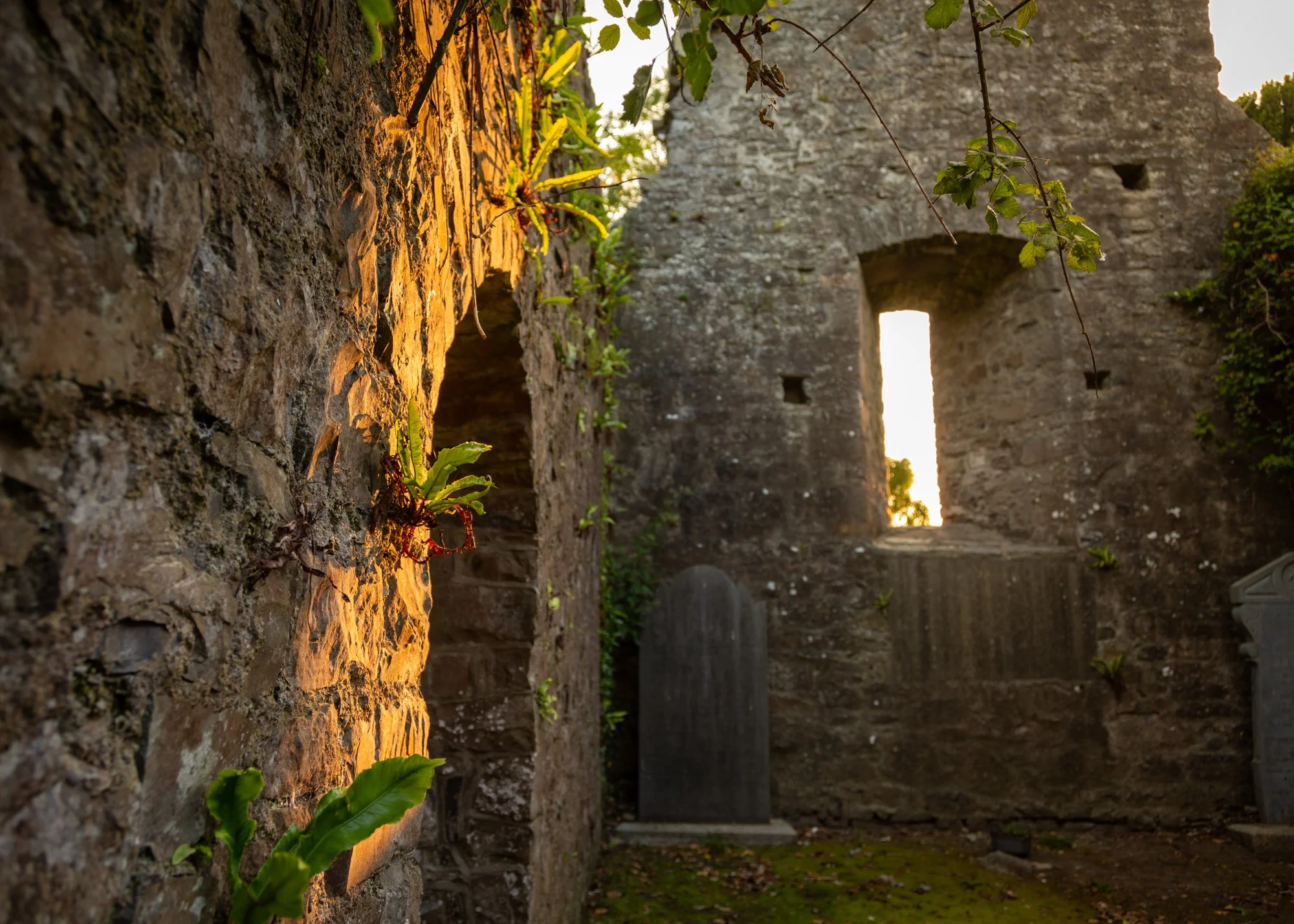
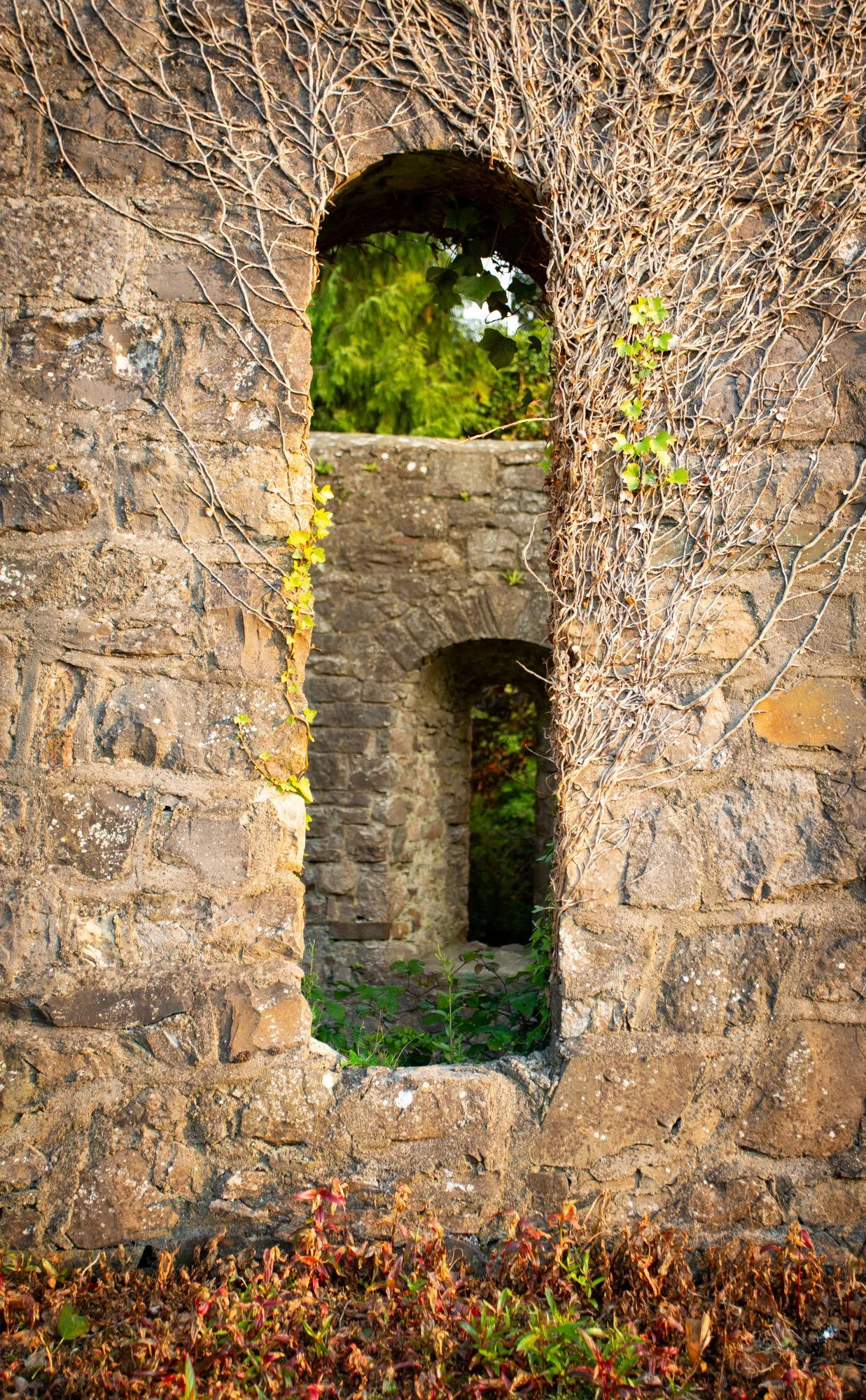
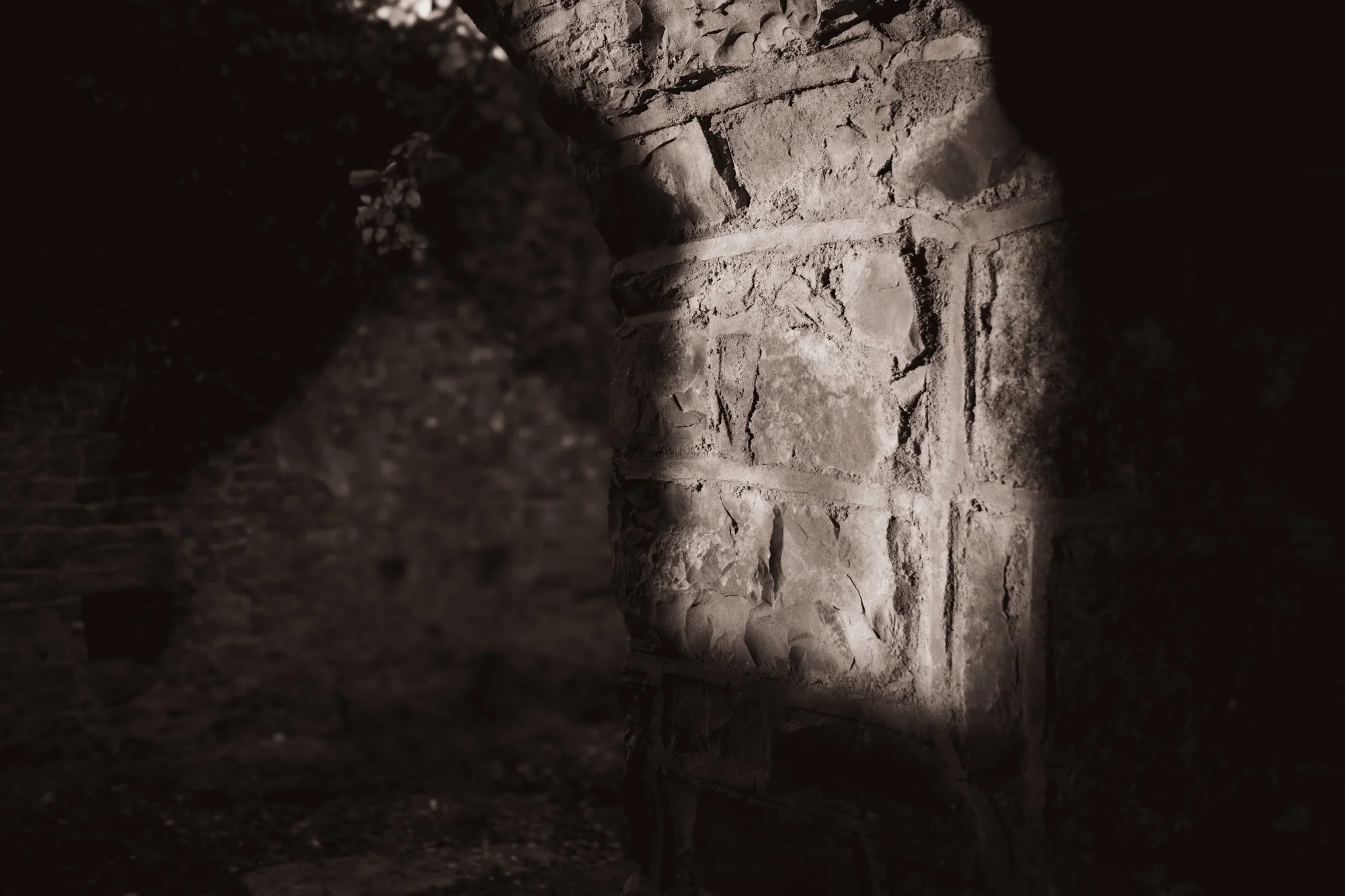
Tucked quietly within the historic Ballyboughal Graveyard, the Old Ballyboughal Church - stands as a hauntingly beautiful remnant of Ireland’s medieval ecclesiastical heritage. Though roofless and weathered by centuries, its stone walls still rise proudly, a silent witness to the village’s spiritual and cultural legacy.
This site holds a deep connection to St. Patrick. In the 12th century, Bachal Íosa—the staff said to have belonged to the saint—was brought to Ballyboughal for safekeeping. This sacred relic gave the village its name, Baile Bachaille, meaning "Town of the Staff." It remained here until it was taken to Christ Church Cathedral in Dublin in the late 12th century, where it was eventually destroyed during the Reformation.
Architecturally, the church is notable for its triple bellcote, an unusual and striking feature that crowns the west gable. A finely crafted 14th-century arched window adorns the east end, reflecting the Gothic style of its time. Entrances on both the north and south walls suggest a once-busy chapel that served the spiritual needs of a thriving rural community.
The interior is now open to the sky, with weather-worn gravestones and memorials offering clues to generations past. Nature has gently reclaimed parts of the structure, lending the site a quiet, contemplative atmosphere.
Today, the Old Church is not only a protected heritage monument, but a powerful symbol of Ballyboughal’s ancient roots—an intersection of faith, folklore, and history. Whether you’re exploring local ancestry, photographing its timeworn beauty, or simply pausing to reflect, this sacred ruin remains a cornerstone of the village’s identity.
Balllyboughal Nature Reserve
Photos: Terry Quinlan 2025
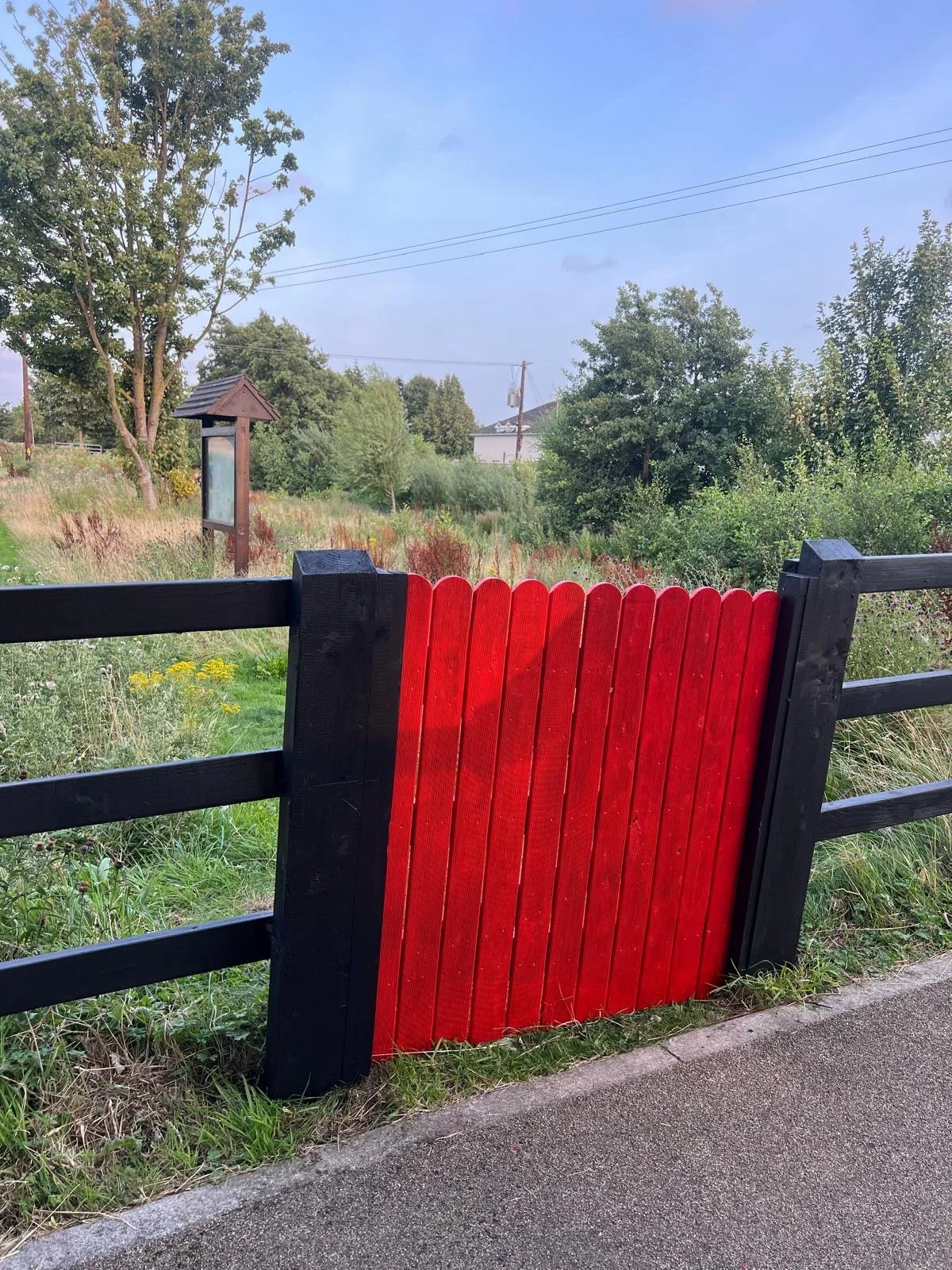
The Ballyboughal Nature Reserve at Cois Sruthain is a community-led green space developed in partnership with Fingal County Council. Located on the R129, this reserve was handed over from Montane Developments and is now protected for wildlife, biodiversity, and local enjoyment.
Over 200 native Irish trees have been planted here with the support of the Ballyboughal Hedgerow Society and junior volunteers. The reserve also features a willow dome, wildflower meadows, heritage apple trees, and areas specifically managed for biodiversity.
Thanks to grant funding from LAWPRO and the Climate Action Fund, a water feasibility survey and plans for a wildlife scrape are underway. These initiatives will enhance habitats for birds, pollinators, and other species while improving the riparian ecosystem.
The reserve is not just for wildlife — it is a valued space for the whole community. Local schools, Cubs, and Beavers groups regularly take part in tree planting, nature trails, and seasonal projects. Events such as willow weaving and biodiversity workshops encourage everyone to get hands-on with conservation.
Looking ahead, the Ballyboughal Tidy Towns group and its partners are working to further enhance the Nature Reserve, ensuring it remains a place where nature thrives and the community can connect with the environment for generations to come.