The Fingal Mummers
The Fingal Mummers are reviving a rich midwinter folk tradition through music, storytelling, and performance. Their efforts celebrate Irish heritage and aim for global recognition of this unique cultural practice.
History
An age old tradition of song and story, performed each year by a group of local musicians and actors, continues to bring alive our ancient past and remind us of Fingal's rich tapestry of culture and heritage.
The Mummers of Fingal, a group of like-minded friends from across North County Dublin, bring their blend of traditional Irish music and drama to Fingal once a year, celebrating an ancient custom which has entertained locals for generations.
The talented musicians and amateur thespians hail from all over Fingal, from Ballyboughal, Oldtown, Rolestown, Swords and beyond.
Each Christmastime, starting in Ballyboughal, the Fingal Mummers perform in local pubs and clubs around Fingal, keeping Irish traditional music and storytelling alive.
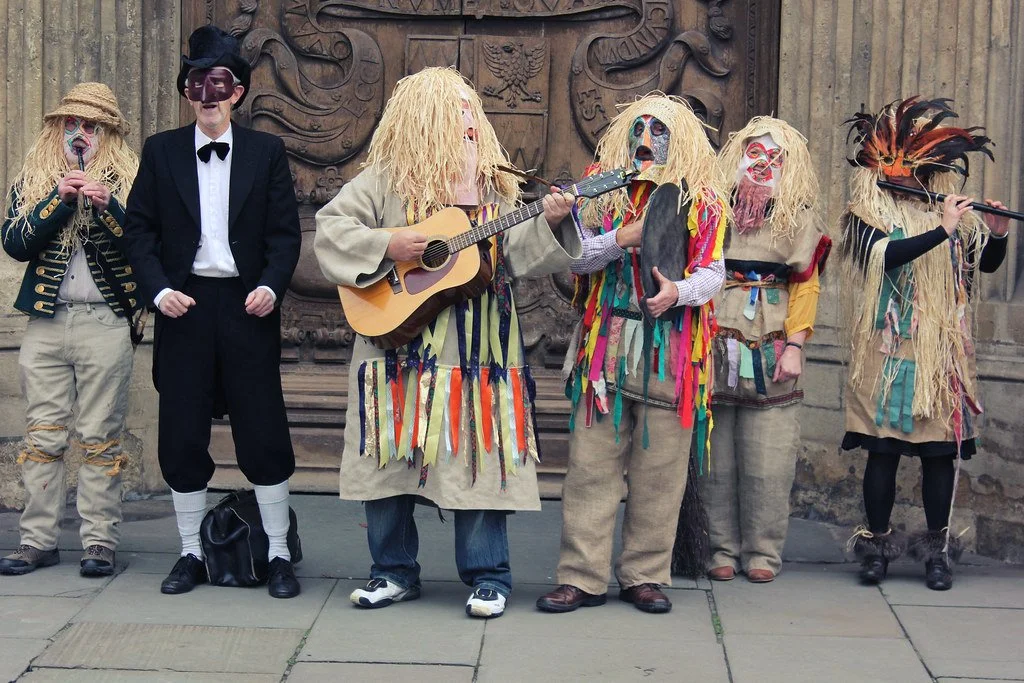
Masked and costumed characters perform a centuries old Irish play before delighting patrons through ballads and song, evoking a sense of history for present day Fingallians.
Predating all other Christmas customs, mumming may also be found in Wexford, North County Louth, and around the nine counties of Ulster, but is particularly associated with North County Dublin.
Read The Irish Independent Article on The Mummers
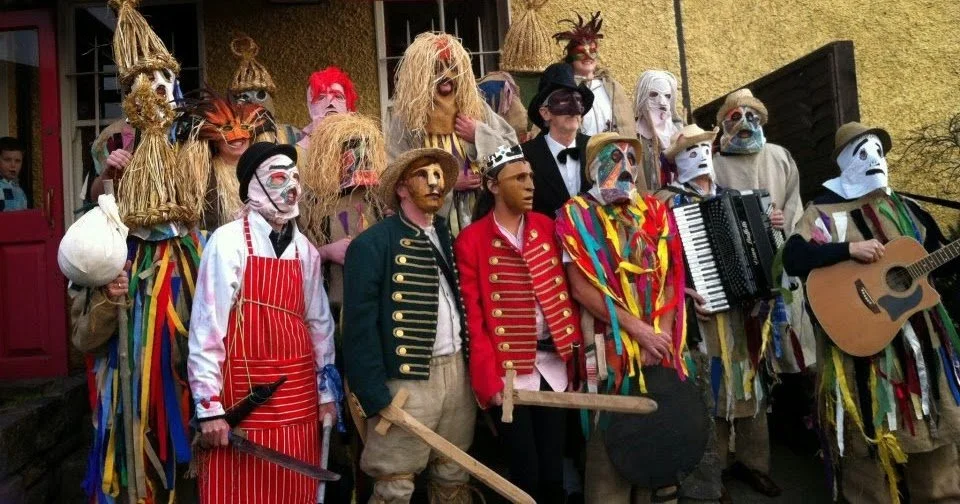
Mumming is a centuries-old midwinter tradition found across the northern hemisphere, including Ireland, where it blends local and global customs. In Fingal, this once-thriving practice had faded, but thanks to efforts by locals like Sean McPhilibin of Ballyboughal, the Fingal Mummers have kept the spirit alive through music, storytelling, and festive performances each St Stephen’s Day in pubs and public spaces across the county.
With a cast of recurring characters and a comedic hero-combat play at its heart, the Fingal Mummers blend historical storytelling with traditional Irish ballads and music. Their performances honour a long-standing tradition once vibrant in towns like Swords, and their efforts have drawn recognition both nationally and internationally. In recent years, the group’s cultural significance has been formally acknowledged by Ireland's Minister for Culture, with hopes of achieving UNESCO status.
STAY IN THE LOOP